

Located in the middle of the Central American isthmus, Costa Rica is an enchanting little country brimming with natural beauty. Bordered by Nicaragua to the north and Panama to the south, the rain-forested “Rich Coast” is known for its beaches, volcanoes, and wildlife.
Costa Rica is one the most biodiverse countries on the planet per land area, containing 5% of the world’s flora and fauna. This small country is at the forefront with their environmental conservation. Over a quarter of its land is protected in national parks, reserves, and wildlife refuges. It is also one of the most sustainable countries on the planet, producing more than 98% of its electricity from hydro, geothermal, solar and wind.
This peaceful country scores very high on overall life satisfaction, happiness and life expectancy charts. Along with regions in Japan and Italy, there is a region in Costa Rica identified as a “Blue Zone”. A blue zone is where people tend to live longer lives, often reaching up to age 90, or even age 100 and beyond.
Pura Vida (meaning “pure life”) is not only a common greeting here, it’s a state of mind. It encapsulates the laidback, friendly and welcoming vibe of Costa Ricans, and may well be the key to the happy, long life.
Interestingly, Costa Rica hasn’t had an army since 1949. They do have police and border control but no military. Instead, the government invests funds that it would have spent on an army into education, healthcare and pensions. This has helped to produce the high level of literacy and quality of life seen today.

It’s a land of varying climates, terrains, and temperatures, so there is never a bad time to visit.
The travel fatigue was beginning to kick in. After all the birthday excitement in USA, we were desperate for some lazy days. Our flight was from Los Angeles to San José, Costa Rica’s capital. Though significant fog meant the plane couldn’t land. We circled San José airport for 50 minutes before we were forced to land at a different airport or we would run out of fuel.
We flew north and landed at a tiny airport, in Liberia, but they weren’t expecting us and the airport was supposedly due to close in 15 minutes. The poor staff were just about to clock off then had to stay longer to get us all through. It was now 1am and we were queueing at customs for a long hour, before being shuffled onto a bus at 2am. After a long 4 hour bus and then taxi ride, we finally made it to our Airbnb at 6am.

We caught up on much needed sleep and explored the building. Quite possibly the weirdest Airbnb I’ve ever seen: corridors full of doors frames onto stuck to the wall, some leading to rooms, some not. You had to go through a mirror to get to the lift. There were rooms with huge disco balls, a cinema room, an infinity light room full of fairy lights, and of course, a duck room (pictured below). For those interested – search for ‘Secrt San Jose’.

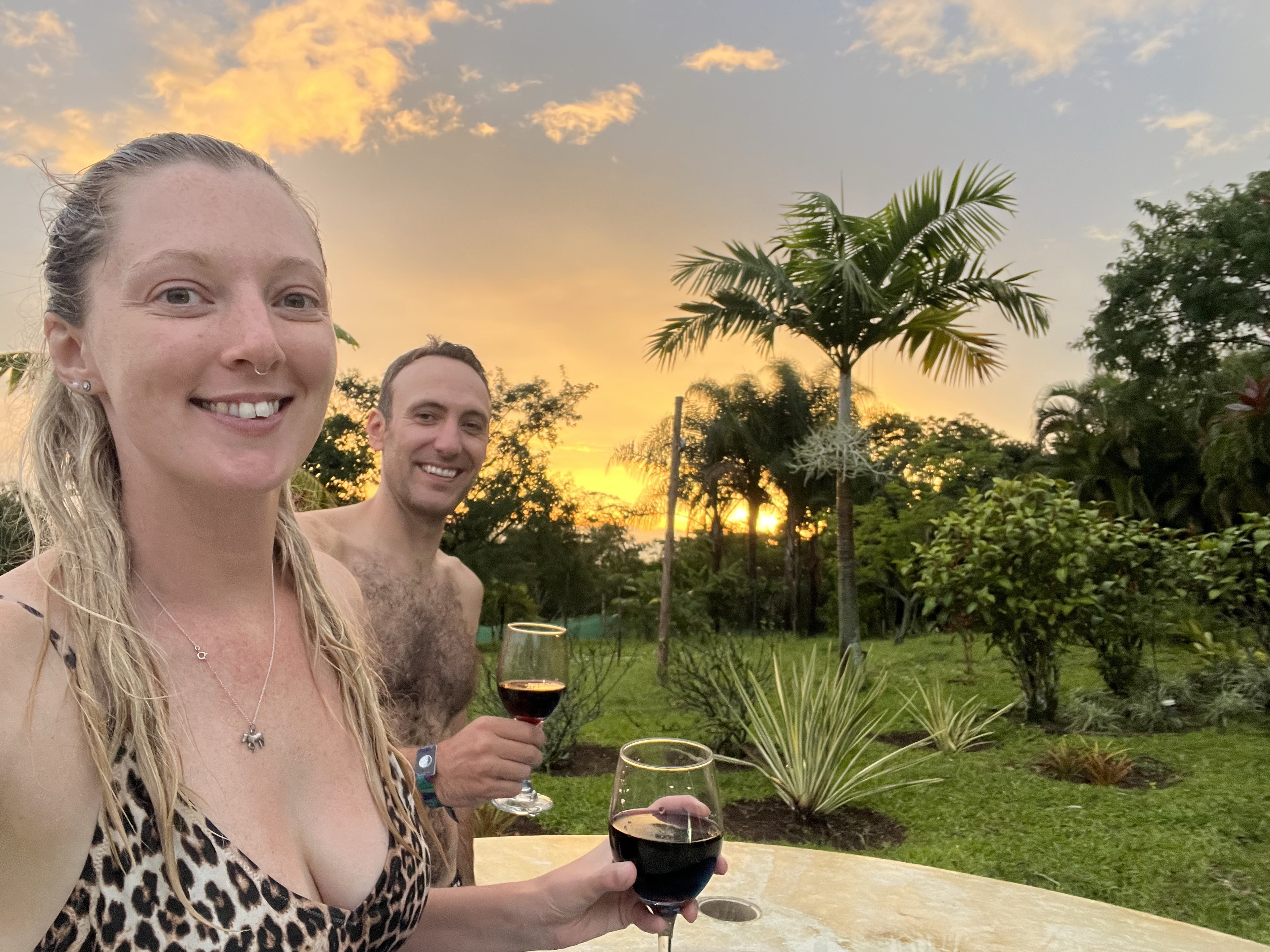
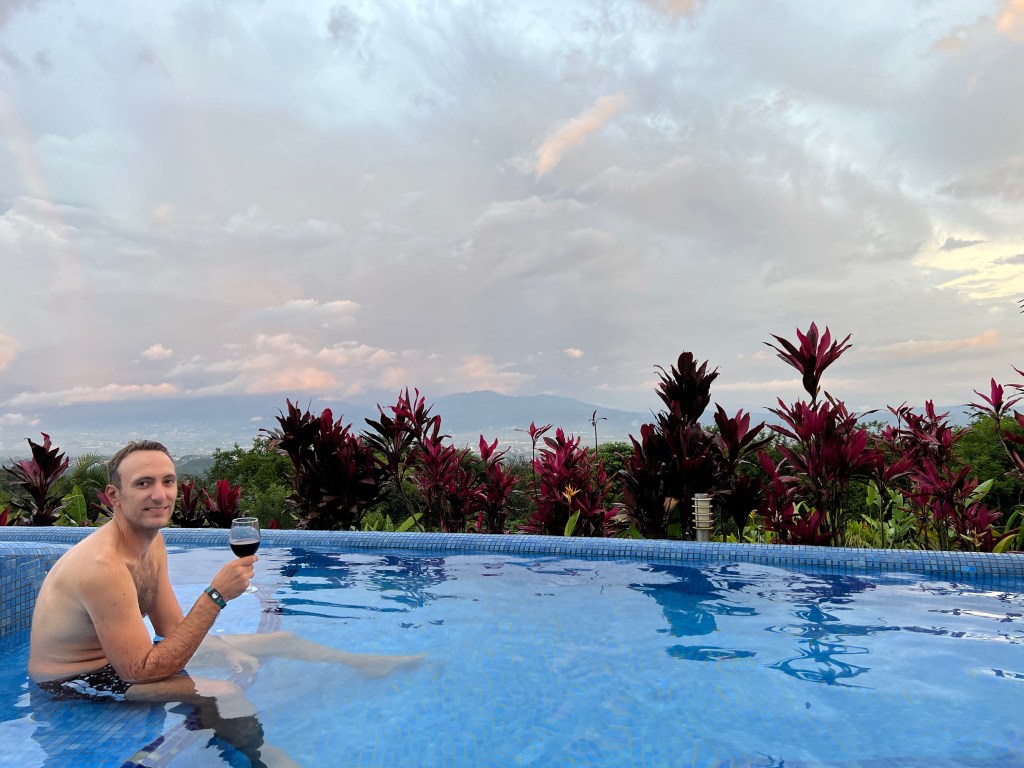
We later checked into Xandari Spa and Resort in San José, Leon’s birthday surprise for me.

We enjoyed the strawberry covered chocolates, swimming pools, and hot tubs in the surrounding nature. And, he had one more surprise for me…
Little did I know that my good friend Maya had arrived in Costa Rica a few hours earlier and was waiting to surprise me.
Whilst the whole restaurant at Xandari sang happy birthday to me with a “double sweet 16 cake”, Maya had snuck around the back of the restaurant and jumped out to surprise me. I was totally blown away and thought I was imagining things… They had been planning it for months. The sneaky devils!
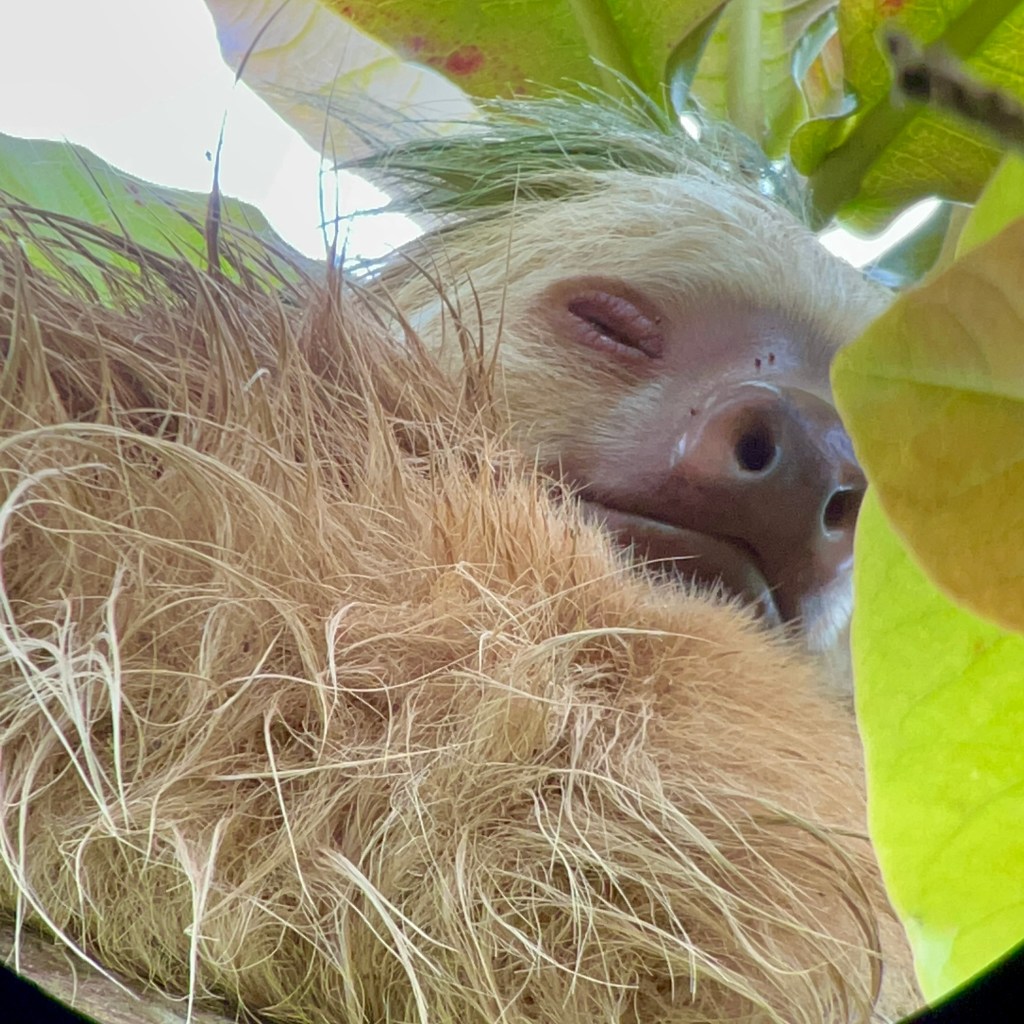
She would now be travelling with us for the rest of our time in Costa Rica, how amazing! She was the 6th friend to join us on our travels, it’s so lovely being able to share travel experiences together. We couldn’t wait to explore what Costa Rica had on offer and make some epic memories. We enjoyed massages, an aromatherapy jacuzzi, and two relaxing nights at Xandari in San José before hiring car and heading to La Fortuna. It was just what I needed.

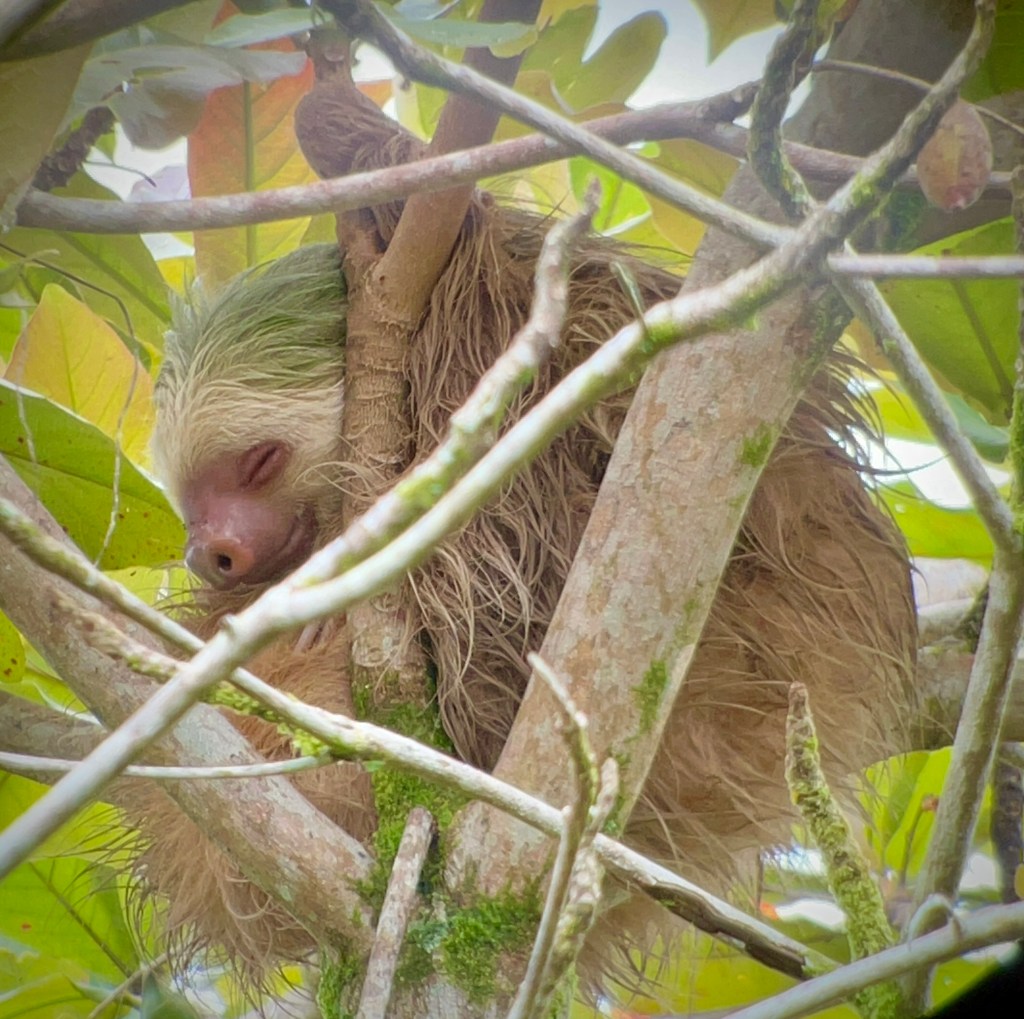
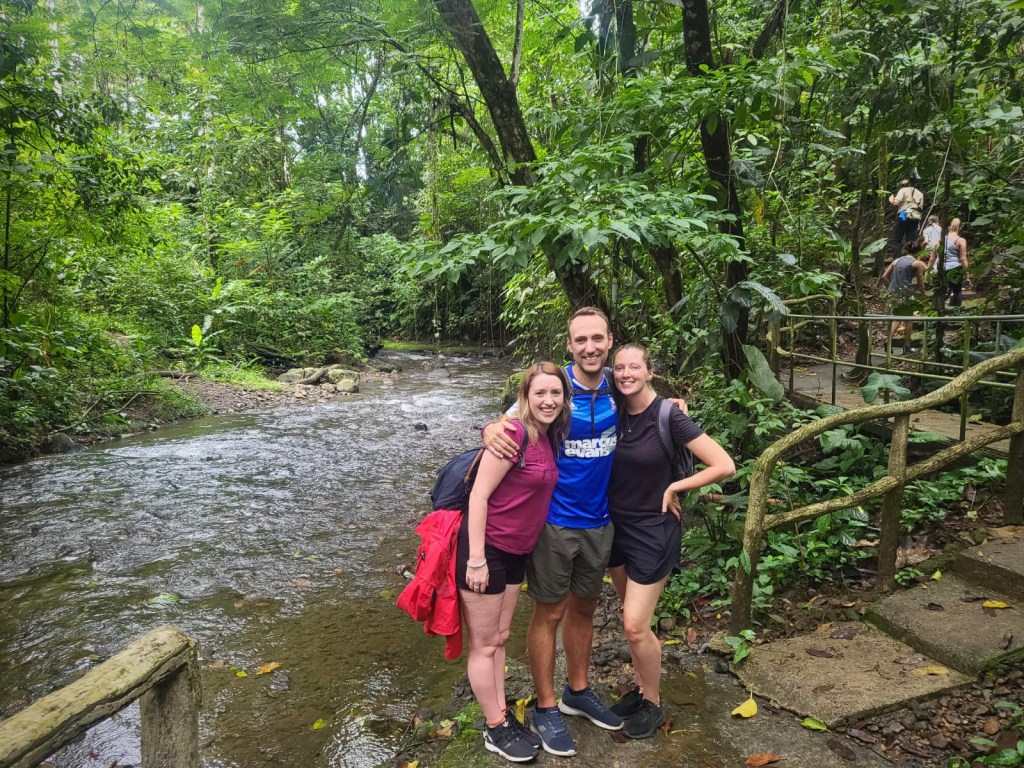
In La Fortuna, you can visit Sloth’s Territory; a private wild sloth reserve. There are 2 different types of sloths: two toed and three toed. We hiked through the rainforest and spotted both types of sloth, and also a juvenile sloth. The guides knew all the best spots and helped us take amazing photos through the telescope.
Fun Facts:
- Sloths sleep for 16-18 hours a day, they sleep to keep their body warm and are slow moving to keep their metabolism down.
- Sloths are living ecosystems; many insects, beatles, worms and algae are present on a sloth.
- Their average lifespan is roughly 20-30 years in the wild.
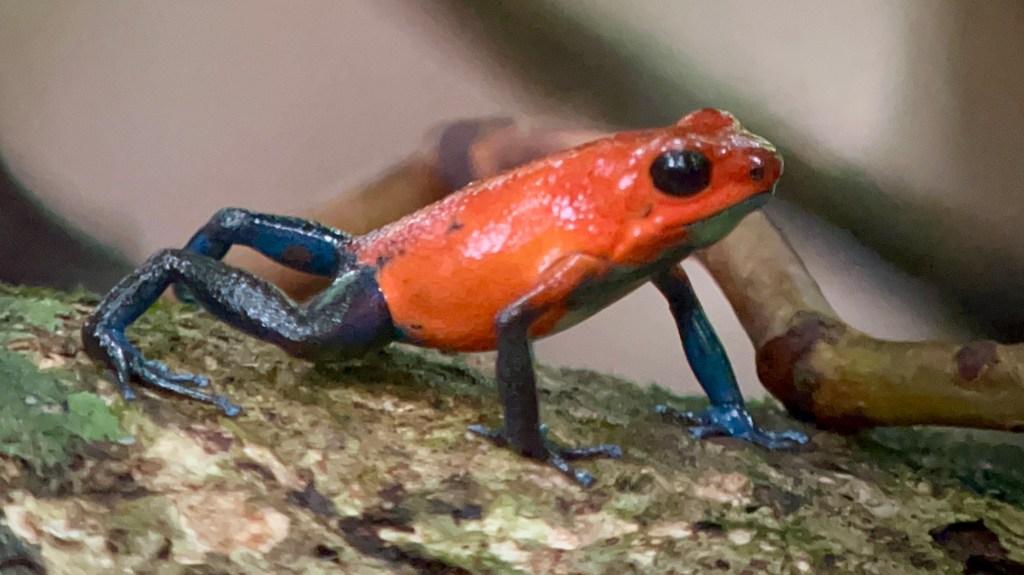
As well as sloths, we were treated to other interesting nature like termites (they taste like Carrots if you’re ever in an emergency!), carpenter ants, the “touch me not plant”, hummingbirds, iguanas, and countless strawberry poison-dart frogs, also known as the blue jeans poisonous frog. The species are native to tropical rain forests of Central America. I had seen these in photos before, but had no idea of their tiny size: measuring only 1 inch to 2.5 inches in body length.
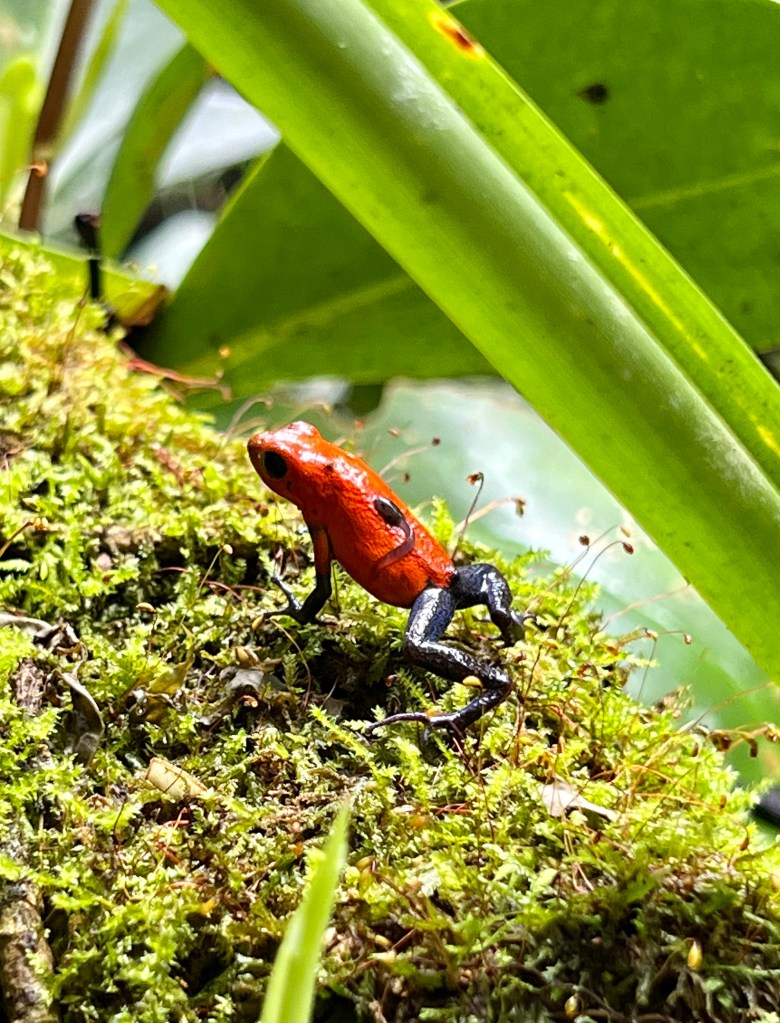
The females lay their eggs in plants on the rainforest floor. When the tadpoles hatch, one of the parents will coax them to climb onto their back. Then the parent frog transports the tadpoles to small pockets of water on vegetation, often high in the trees.
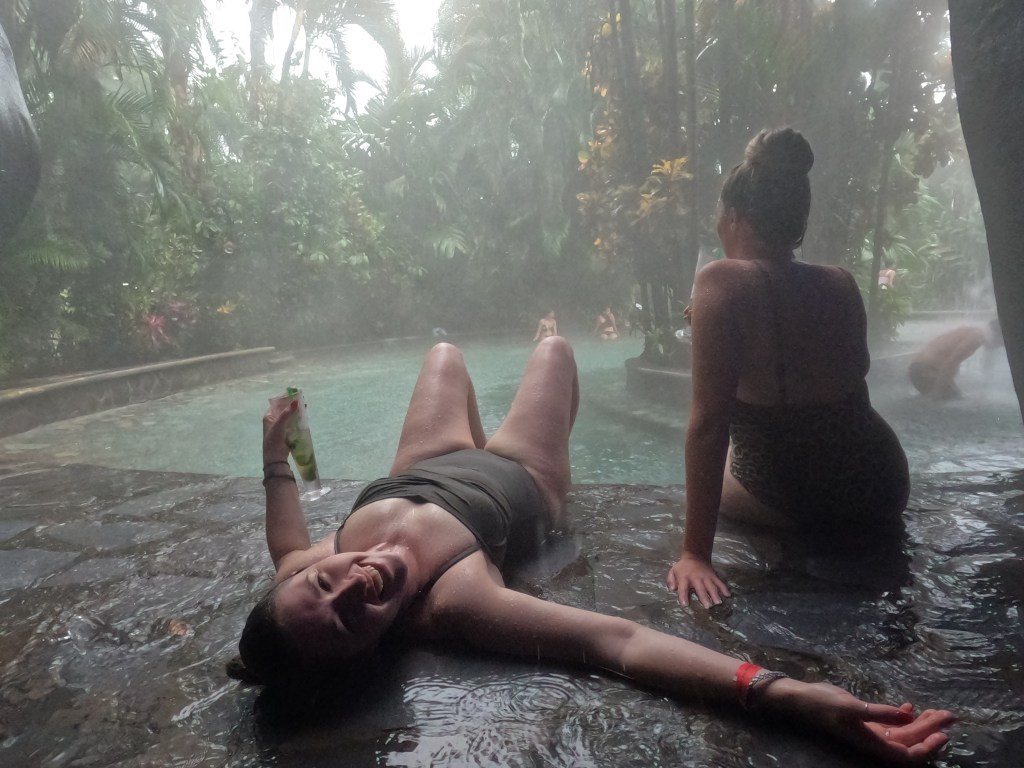
In the afternoon, we headed to Baldi Hot Springs. Baldi has 25 different temperature hot spring pools built into the rainforest, a few of them with swim up bars. It was quite the experience, especially when it poured it down with rain.
There’s no shortage of outdoor activities for thrill-seekers in Costa Rica. The next day we spent the morning driving around Volcano Arenal on ATVs. An exhilarating way to see the beautiful nature here, whilst getting covered in mud.
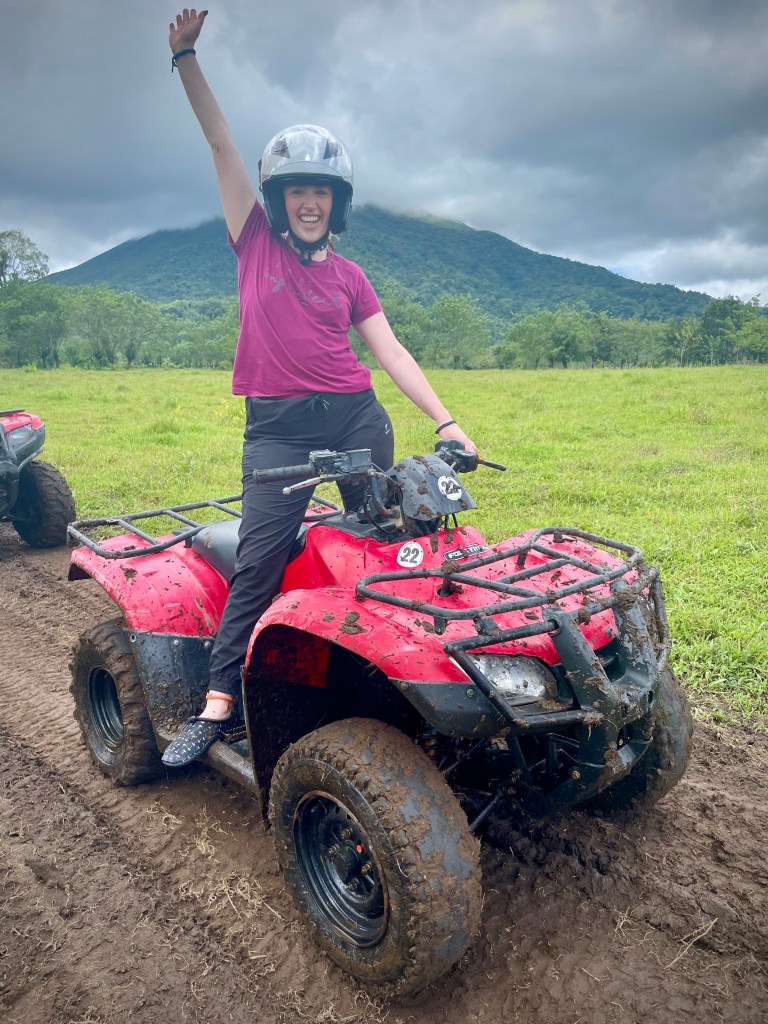
Volcano Arenal is Costa Rica’s best-known volcano. Costa Rica is home to a great number of volcanoes; there are six active ones and another 61 dormant / extinct ones. The perfectly symmetrical, cone-shaped Arenal last erupted in 2010, and measures 1,657m high.
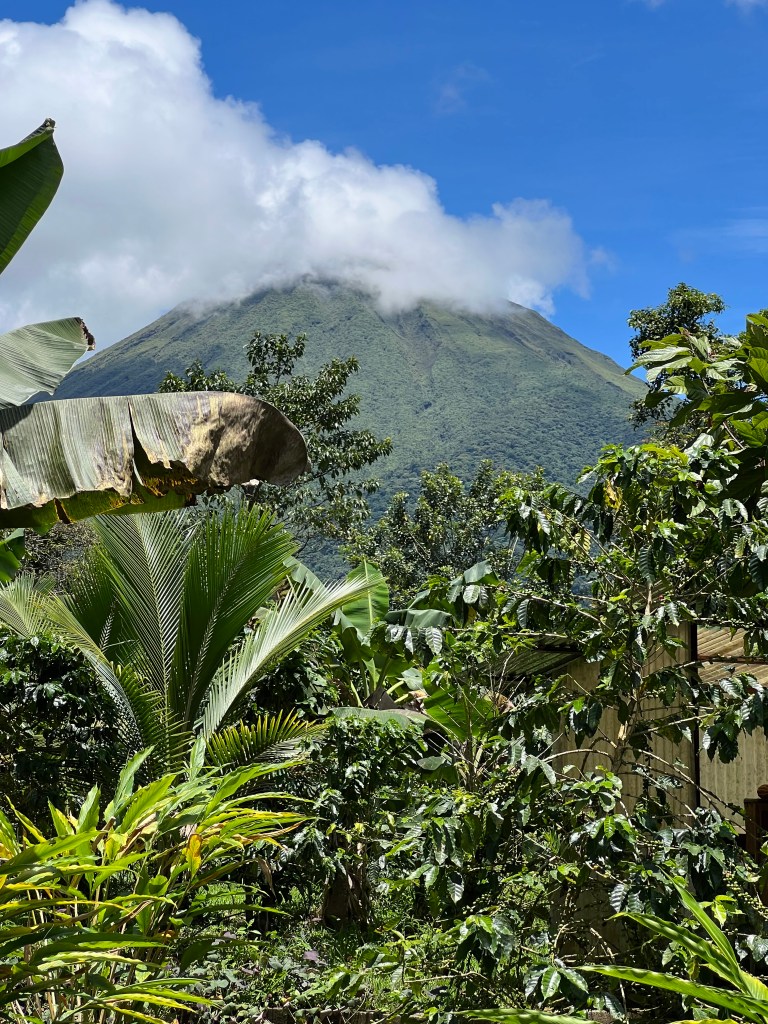
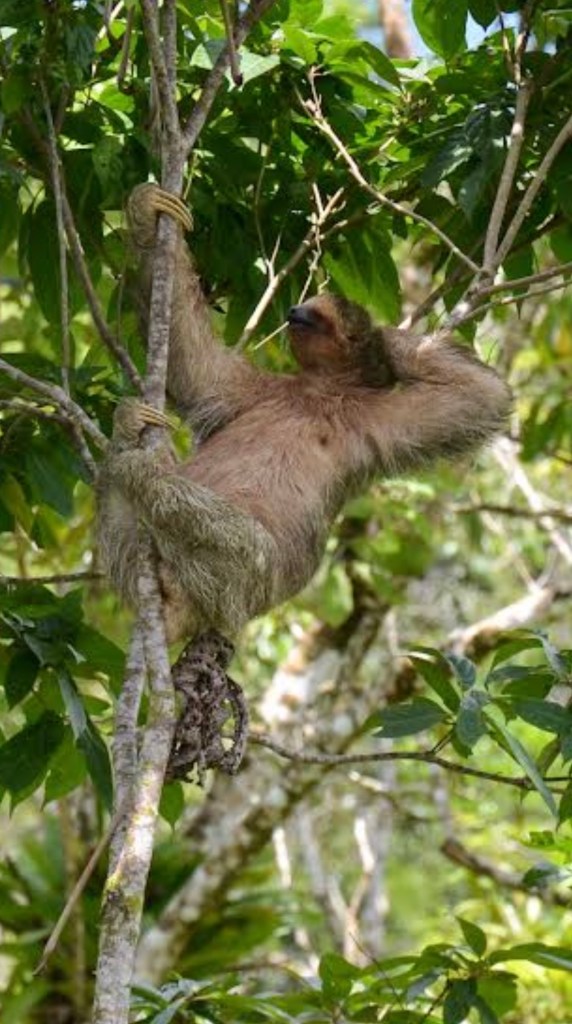
During our drive, we saw this little guy hanging out. He was just begging to be photographed by us all.
The following day we did a coffee tour at North Fields. There are 8 different regions where coffee grows here; each region produces a different taste. If the coffee is grown in a higher elevation, the taste is more citrusy. The lower grown coffee is sweeter and has a caramelised flavour.
- There are two coffee species in the world: Robusta and Arabica. Only Arabica is grown in Costa Rica; the highest quality coffee.
- Coffee plants are very slow producing, it takes 3.5 years for a plant to start producing fruit.
- The fruit, called the coffee cherry, turns a bright, red when it is ripe and ready to be harvested.
It really makes you appreciate each sip when you consider the long, time-consuming journey from plant to cup.
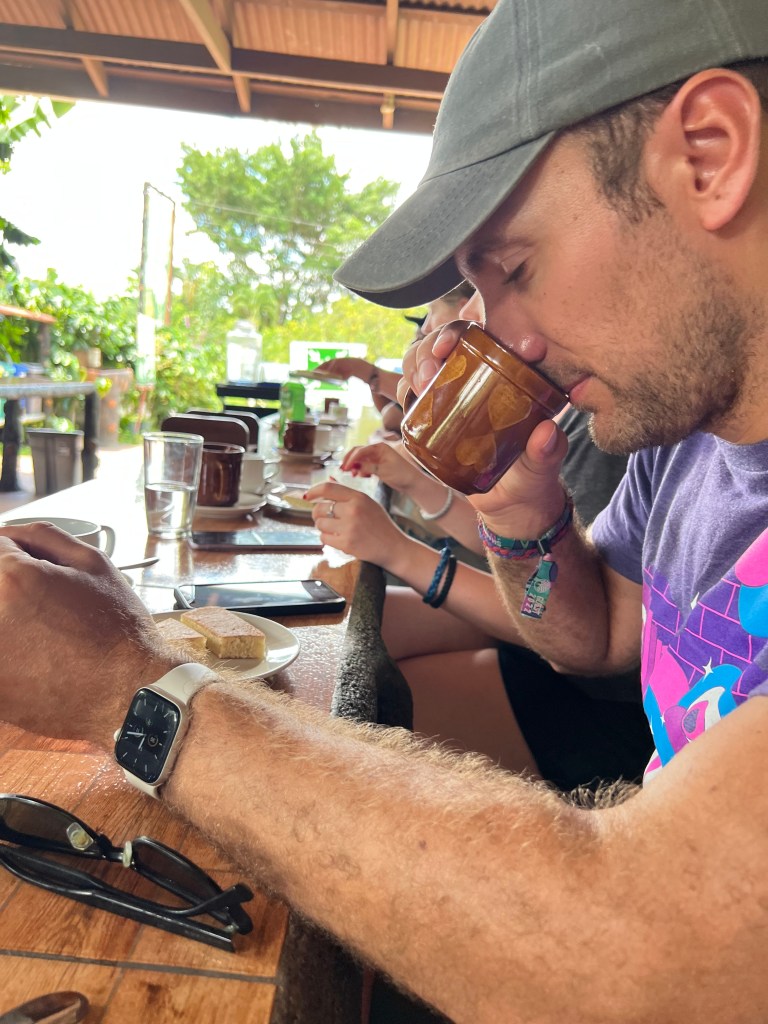
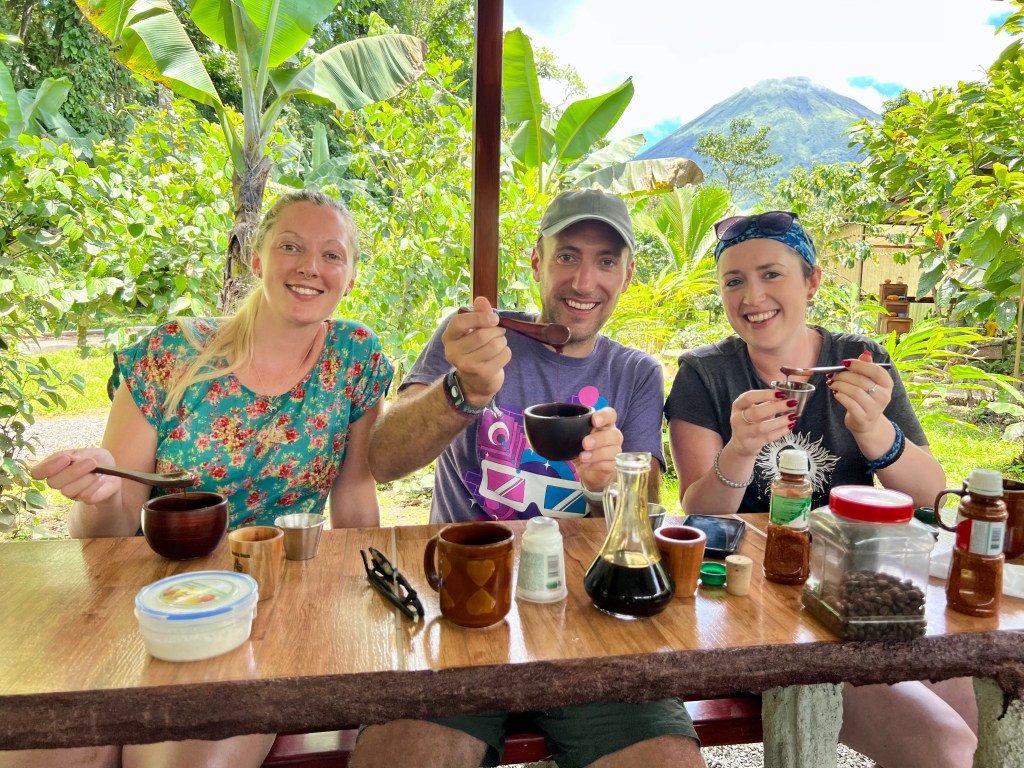
And then we did the chocolate tour, also at North Fields in La Fortuna. We got to try chocolate tea, caramelised coca beans, and dark and milk chocolate. They provide you with little added extras to make your own recipe – like vanilla extract, salt, desiccated coconut.
Did you know – that chocolate beans used to be used as money in the 14th century?
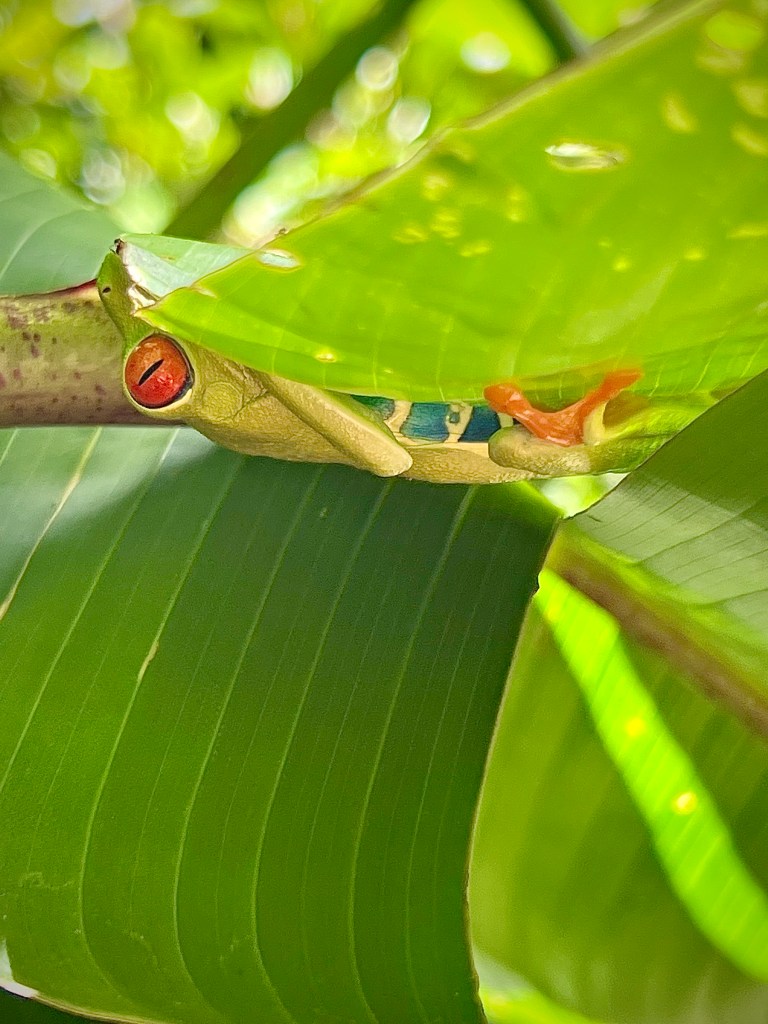
In Costa Rica, you really don’t need to try hard to find wildlife. During our chocolate tour, we came across the stunning red-eyed tree frog. We also came across a plump poisonous viper snake which had just eaten a bird.
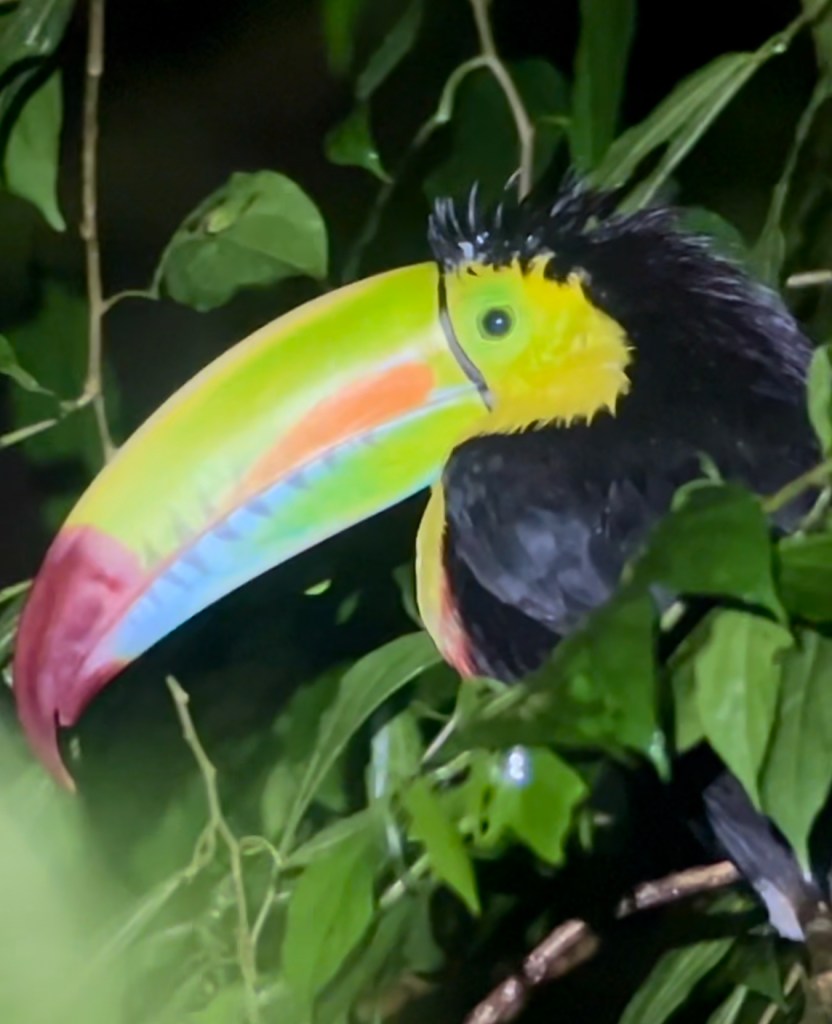
We drove to Monteverde: one of the country’s major ecotourism destinations. In the evening, we took part in a night trek through the rainforest.
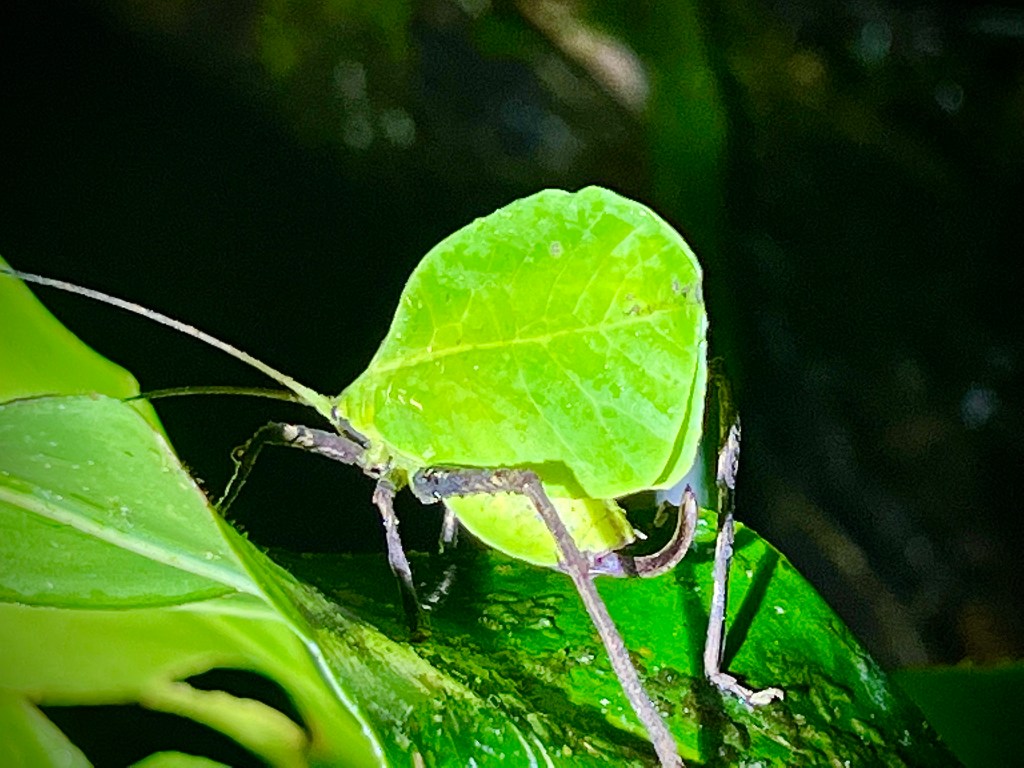
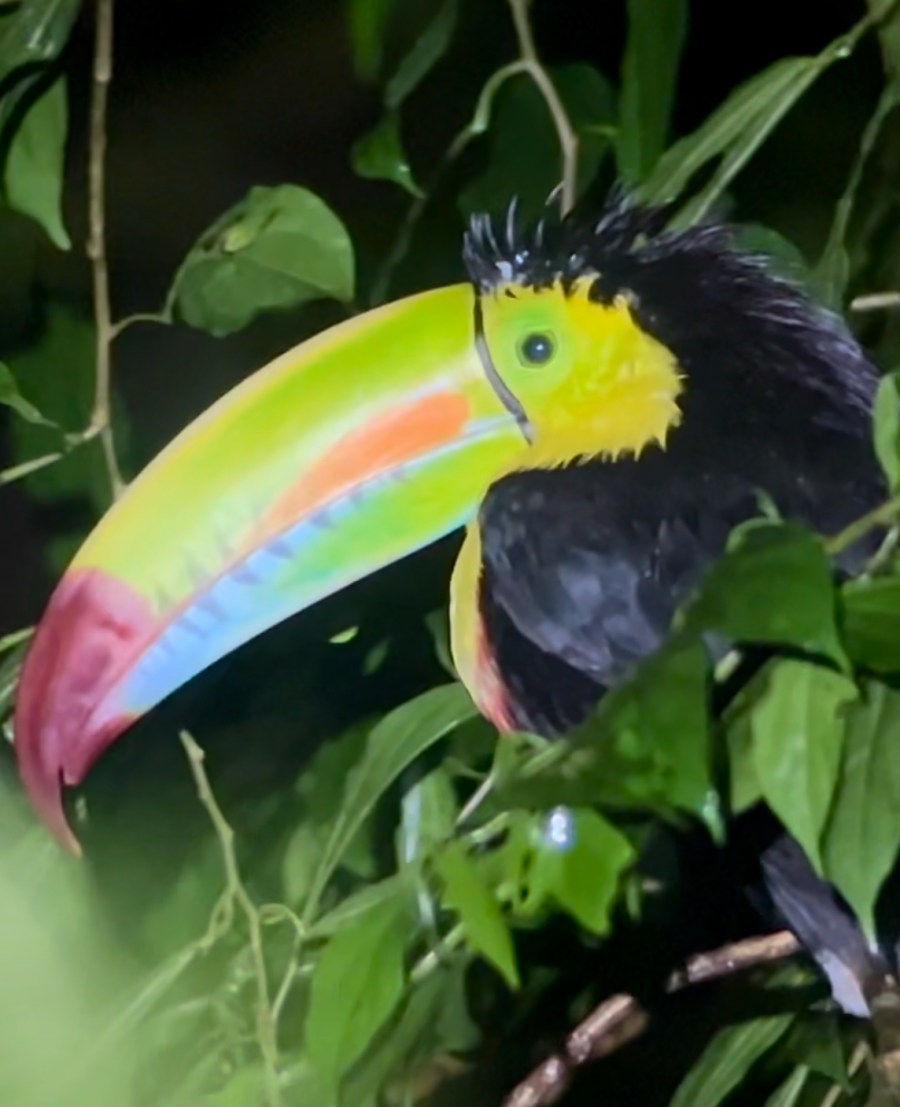
We saw leaf-mimic katydids, another green viper snake, an orange-kneed tarantula, a blonde headed snake, and two toucans. My Costa Rica trip was made!
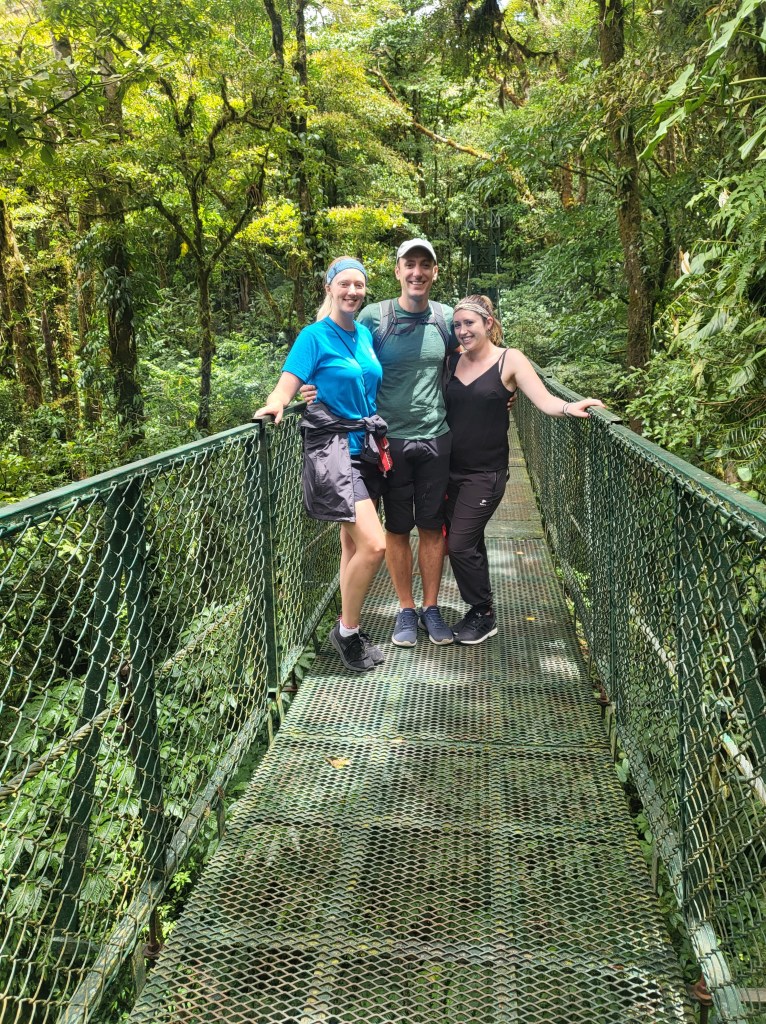
The next day we headed to Monteverde’s Cloud Forest to do their Hanging Bridges tour.

The Skywalk takes you on a 4km route through the mossy canopy, crossing 8 large swaying suspension bridges. We were treated to hummingbirds, tarantulas, and some of the world’s smallest orchids.
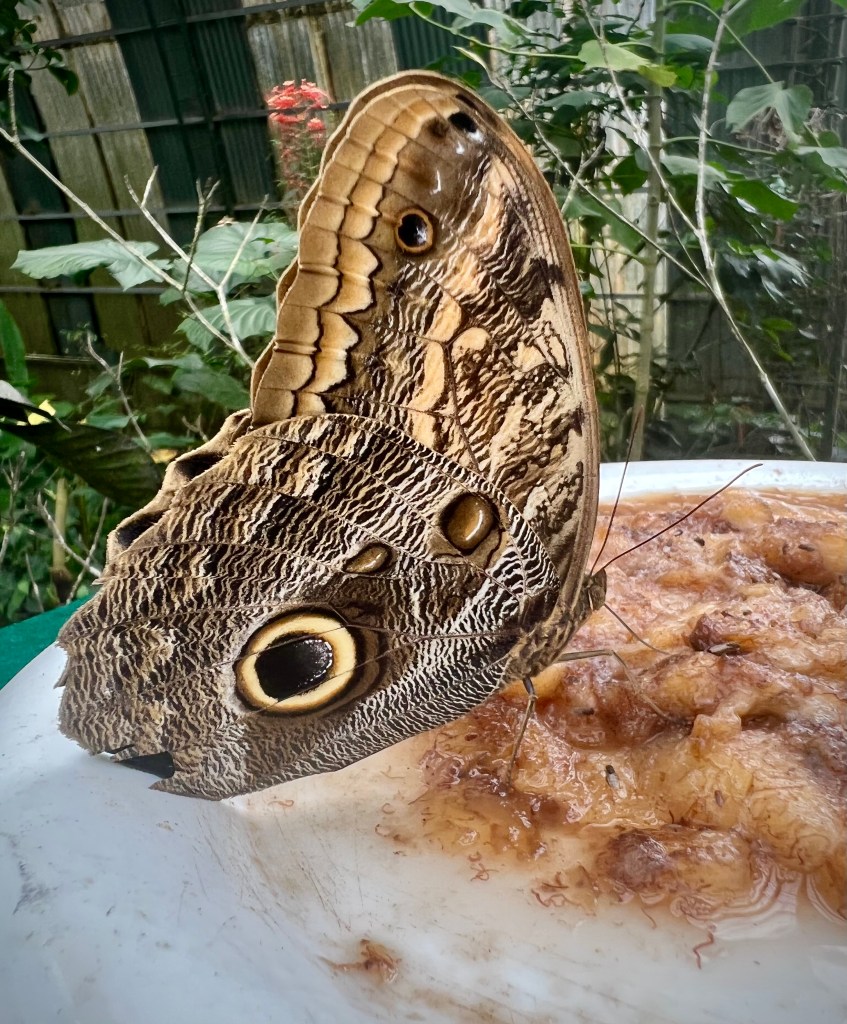
We also did a tour around the Monteverde Butterfly Centre. Unfortunately the tour guide was very hard to understand, so we didn’t learn much! But the butterflies were stunning. We saw 8 different types of butterfly here.
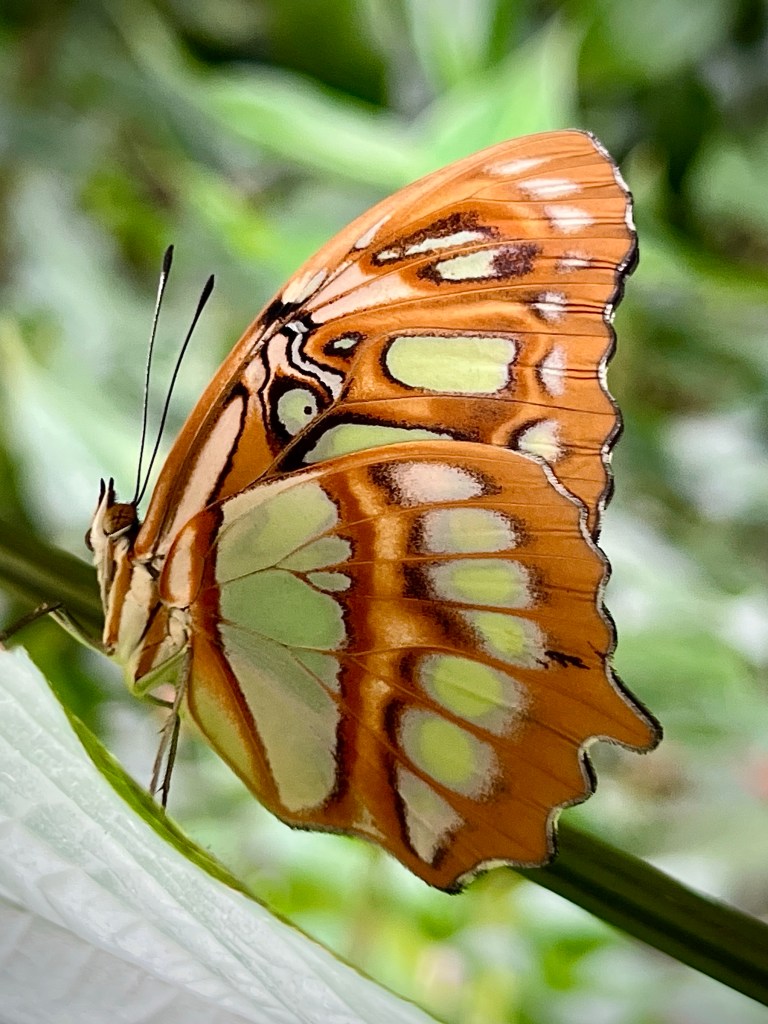
We then drove to the west coast and stayed in Brasilito in a beautiful Airbnb jungle retreat. You can do horse-riding on the beach here, so we jumped at the chance.
It was Leon’s first time on a horse. He was nervous, but they gave him the laziest horse. When we turned up and his horse was the only one not tied up, we knew he wouldn’t be galloping off anywhere.
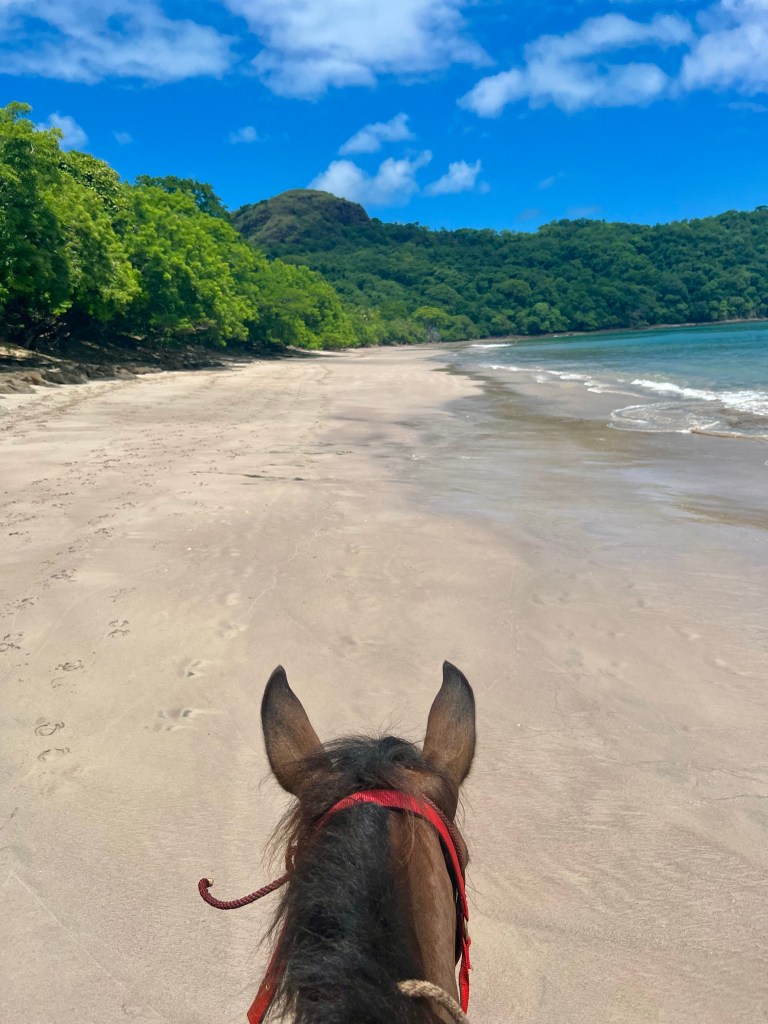
We trotted along the beach, and through the jungle. We even saw and heard(!) some howler monkeys. After the 1.5 hours, we were all pretty saddle sore.
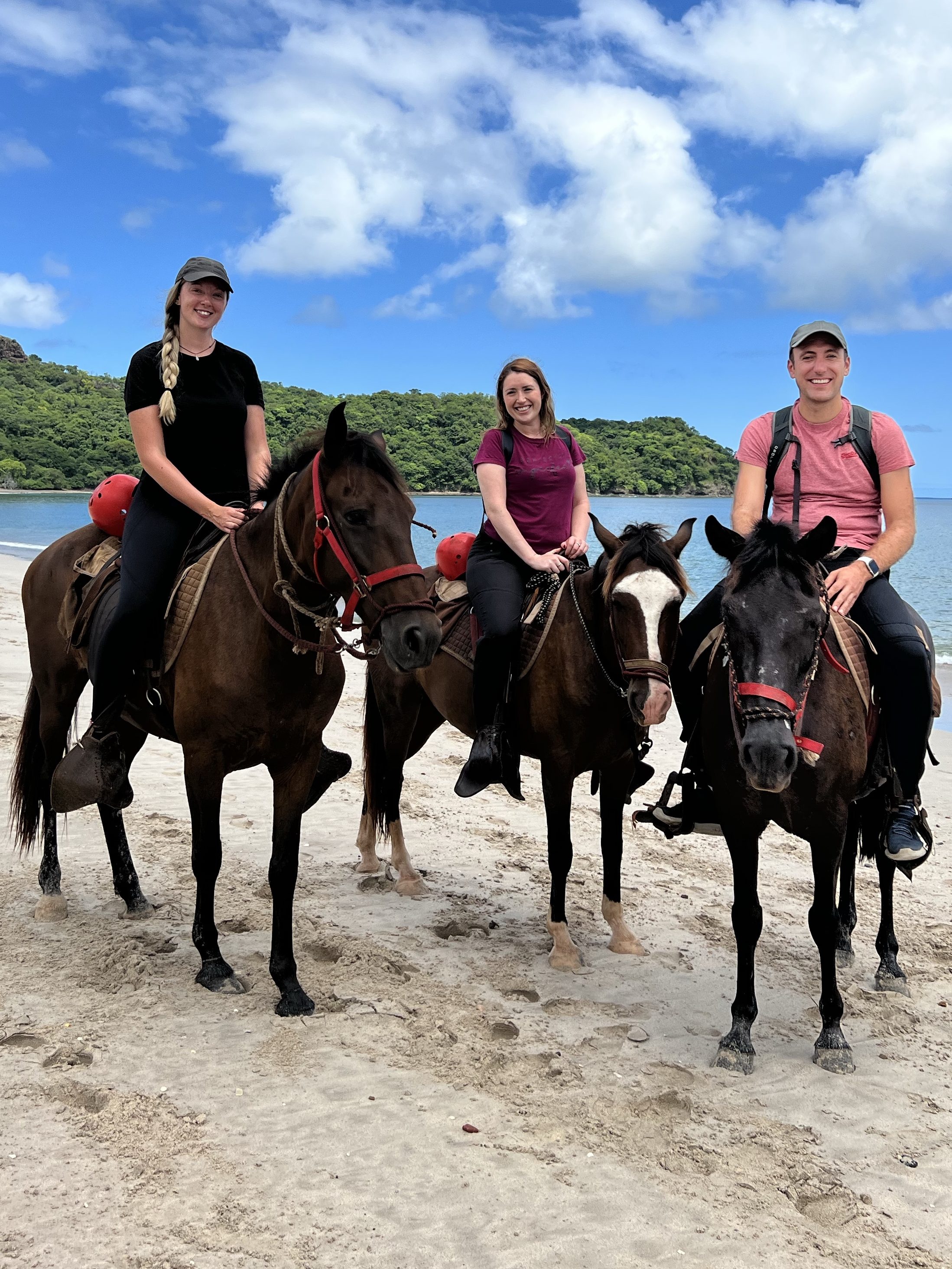
Our horse-riding instructor, Laetitia, was also a local artist. We ended up going back to her home after the horse ride and Maya bought a huge piece of art work that Laetita and her partner, Raul, had painted together. It even glows in the dark! What a great bit of memorabilia. We hung out with Laetitia and Raul for the rest of the afternoon on Playa Conchal. They lent us snorkelling equipment and we had a snorkel and saw some fishes.
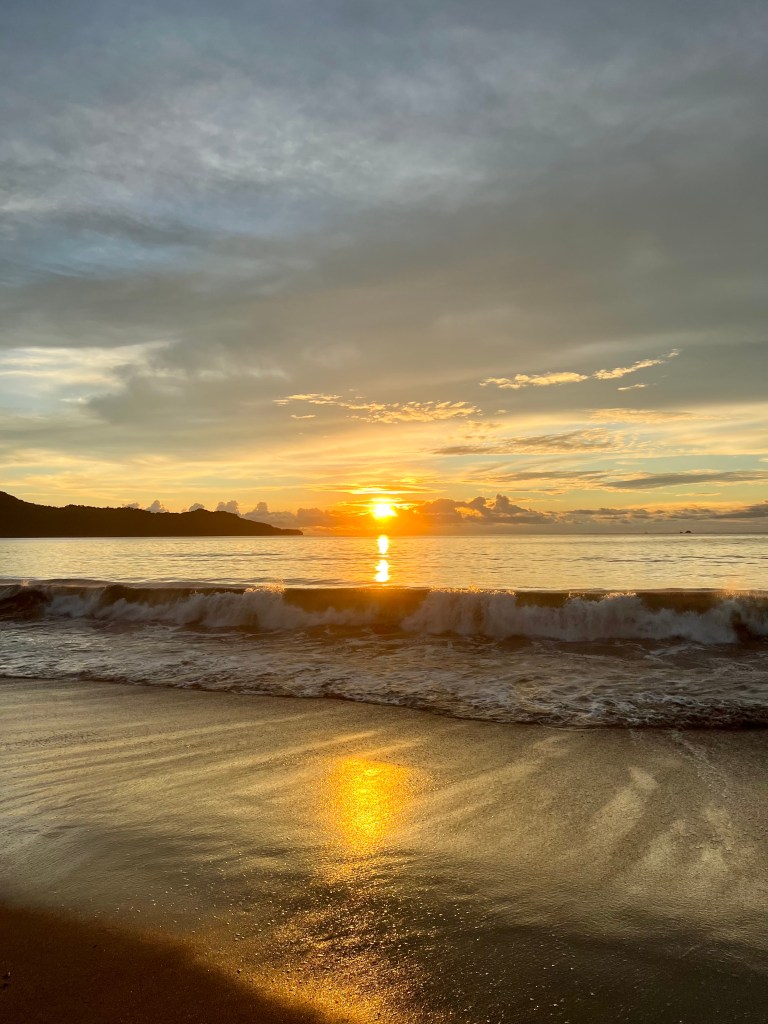
It was then a long drive back the next day to San José for our final night, before catching our flights the next day. Maya was sadly heading home and we were off to Guatemala. Unfortunately we had run out of time to go to Nicaragua, El Salvador, and Honduras. They will have to wait for another trip! We all had a fantastic time in Costa Rica, and really enjoyed the wildlife.
 Leon and Amy’s Big Adventures