
Located southwest of the Korean Peninsula is the largest island of Korea, Jeju. Jeju is a tropical island with stunning nature, volcanic landscapes and beautiful beaches. We were here for five days to explore the highlights of this popular island retreat. If you’ve watched Squid Game on Netflix, you might remember that Jeju was mentioned on there – when one of the characters (Kang) says her dream is to visit the island with her brother if she survives the game.
Carved from Jeju’s porous volcanic rock, the ‘Dol Hareubang’ can be seen all over the island. Believed to wade off evil spirits and demons, they are thought to serve as the guardians and protectors of the island. There is no shortage of Dol Hareubang themed souvenirs on Jeju!
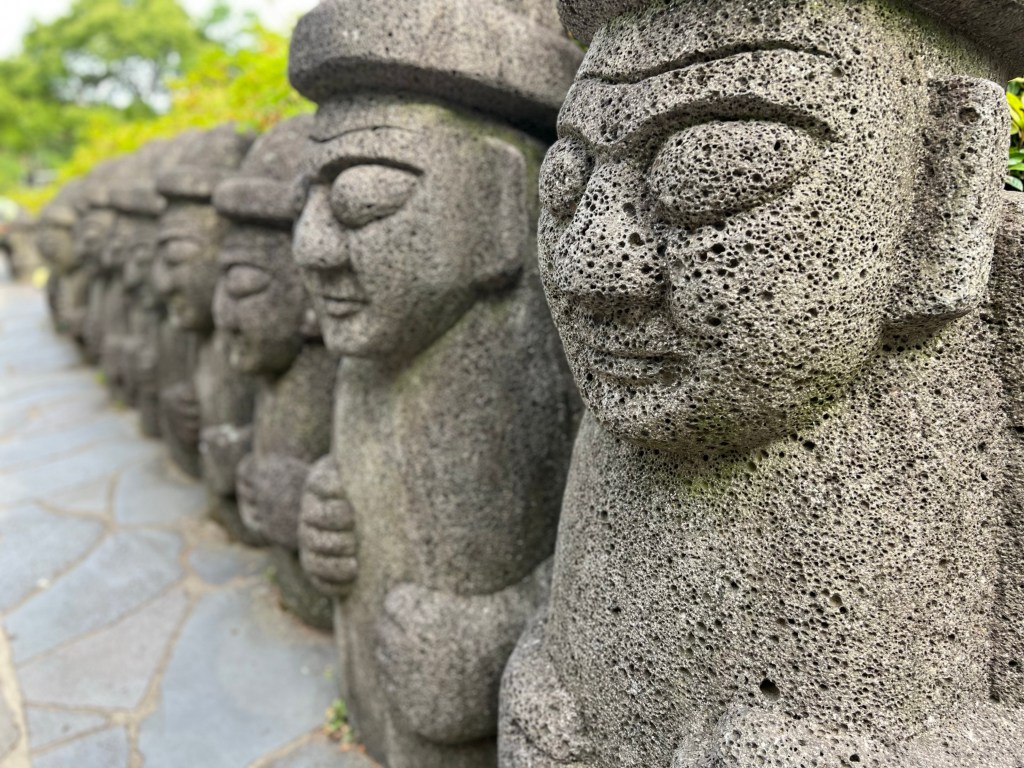
Dol Hareubang translates to “grandfather made of stone” – dol meaning “stone” in Korean, and hareubang referring to “grandfather” in Jeju dialect. Believed to be created in 1974, these basalt stone statues have become the most famous symbol of Jeju island.

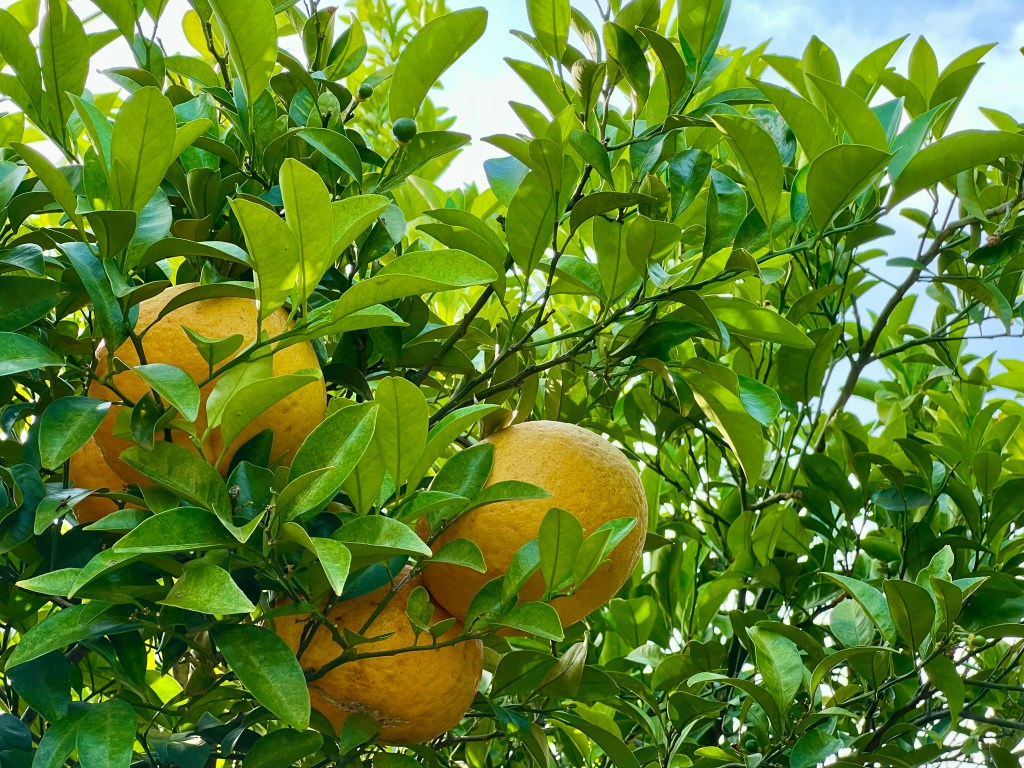
Jeju is also famous for hallabong, the fruit native to the island. These large tangerines have a high sugar content and a thin rind, giving a rich smell and taste. The fruit is also very versatile; you can find hallabong juice, tea, ade, or hallabong chocolate. We tried it in an iced coffee and it was really delicious!
Jeongbang Waterfall
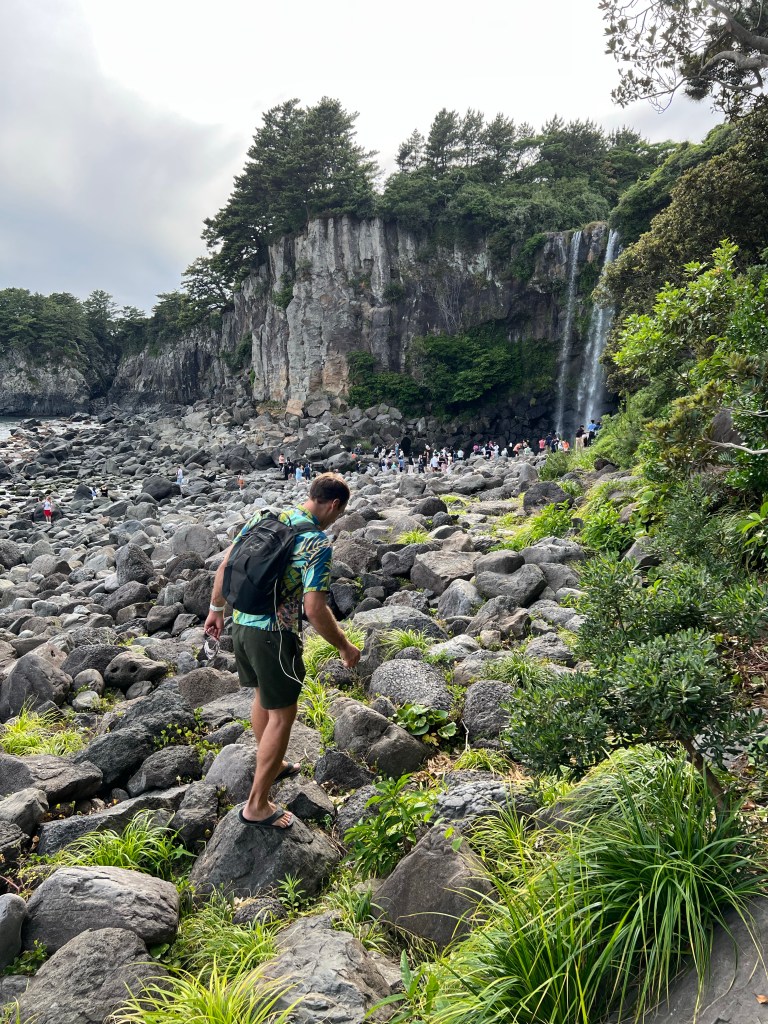
As public transport isn’t that developed on Jeju, one day we hired e-scooters and scooted to two of Jeju’s most famous waterfalls.

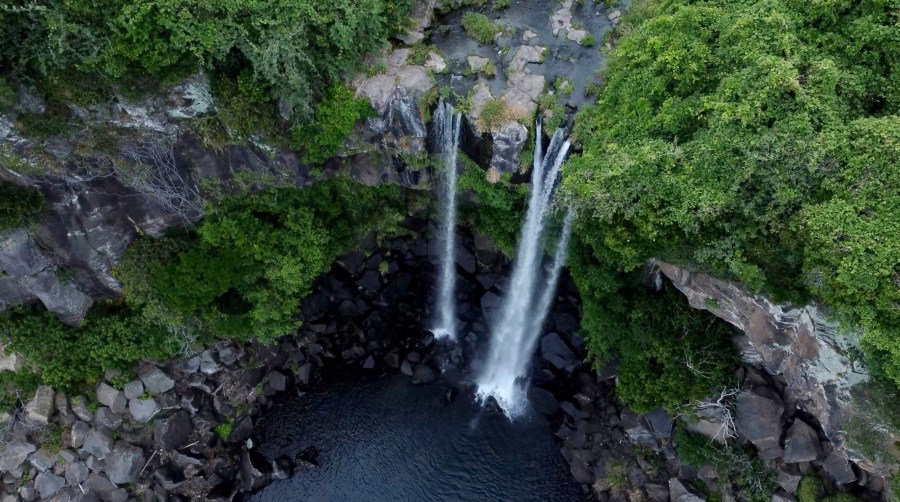
The first being Jeongbang; this beautiful waterfall is 23m high and the only waterfall in Asia that falls directly into the ocean.
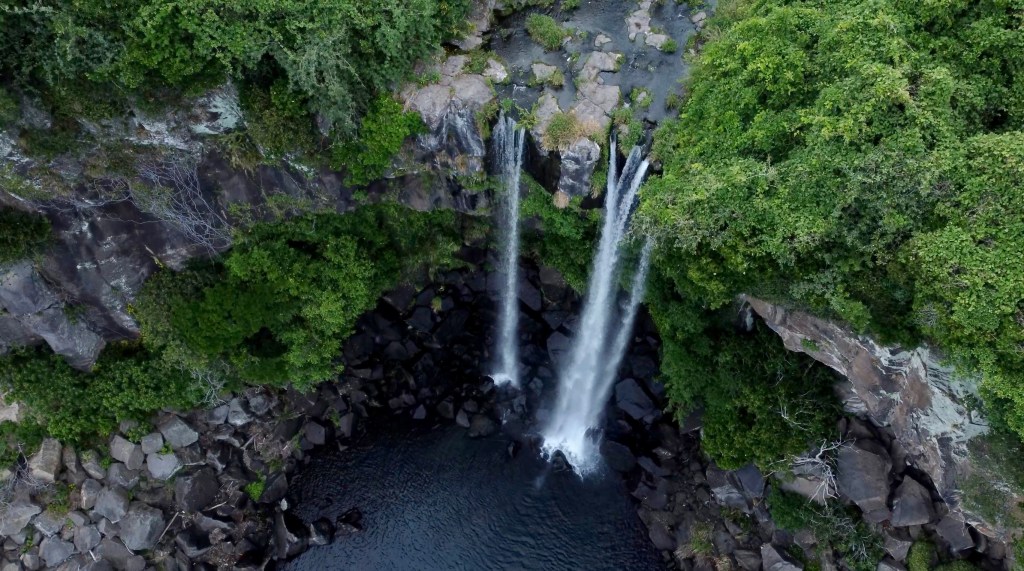
We took Percy for a flight here and got some great footage from above.
Cheonjiyeon Waterfall
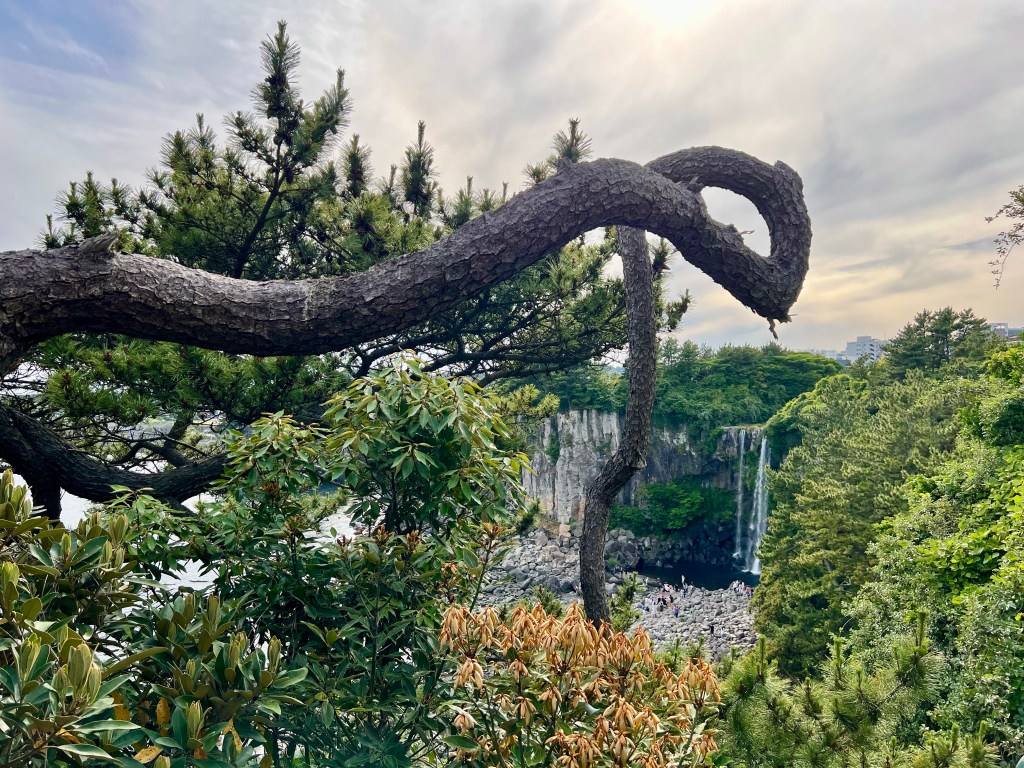
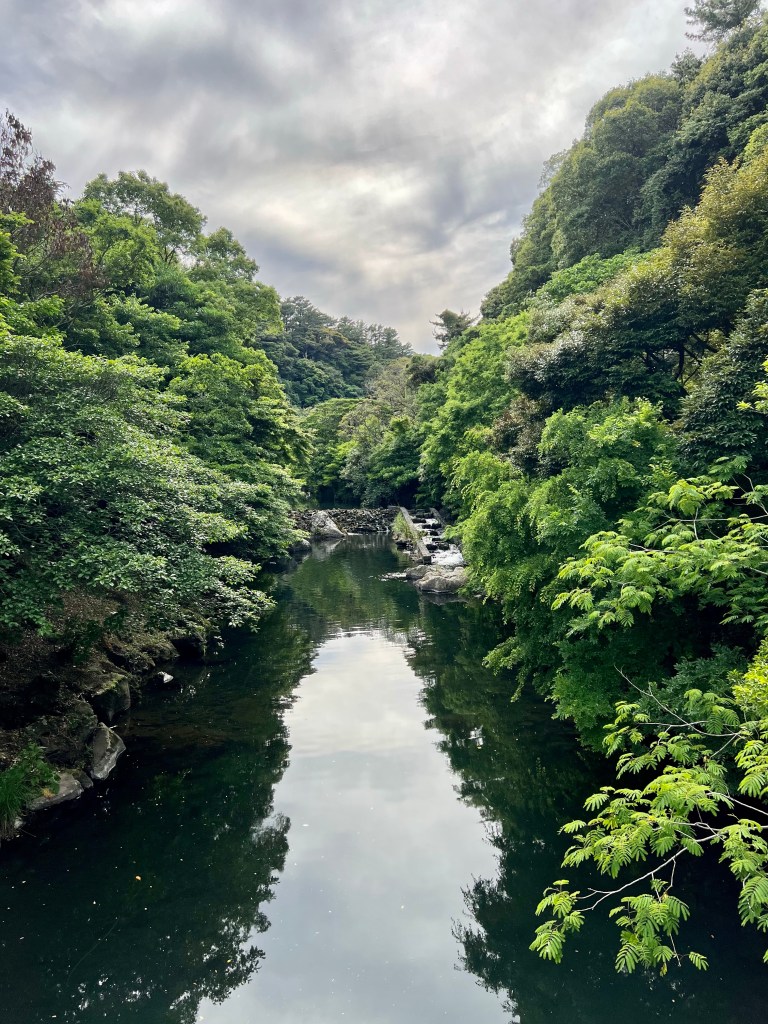
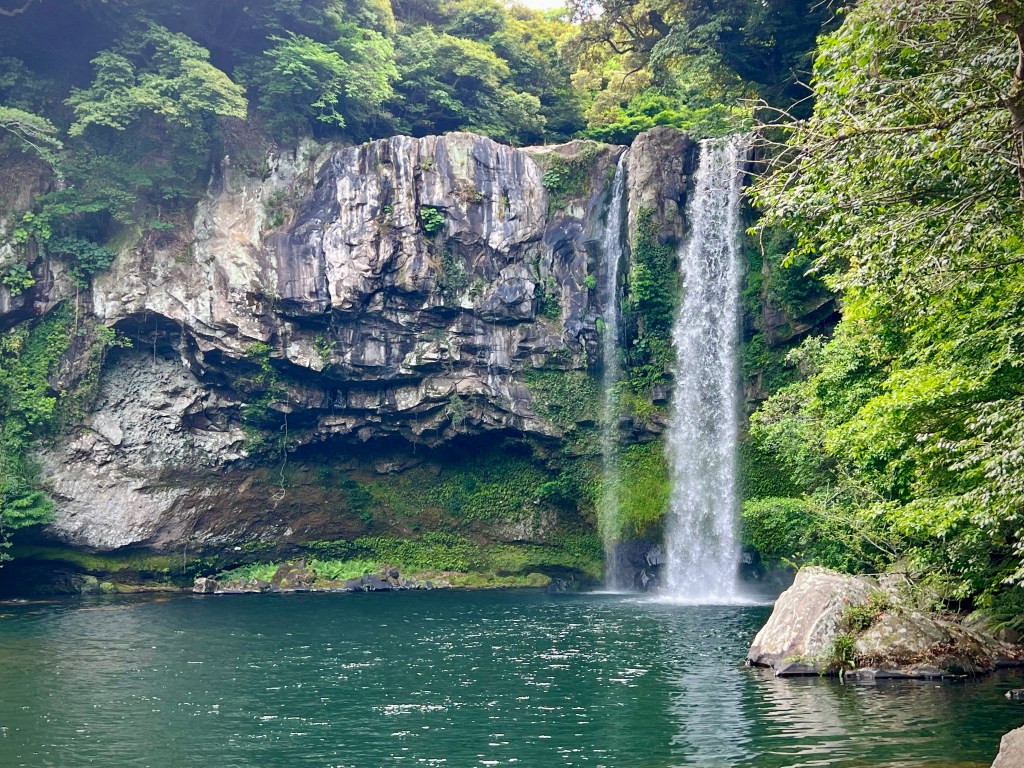
The second one we visited was Cheonjiyeon; which translates as “sky connected with land”. To get to this waterfall, we walked along a pretty 1km trail, stopping to throw coins over the bridge into the river as it is said to bring good luck.

Notice the Dol Hareubang on the bridge!

The beautiful Cheonjiyeon waterfall is 22m high and 12m wide, and is all lit up at night.
Mount Hallasan
In the centre of Jeju, proudly stands the volcano Mount Hallasan. With an altitude of 1,947m, it is the highest peak in South Korea.

For the best views of Jeju and for our love of hiking, we decided to climb it. While Hallasan National Park has many hiking trails, only two take you to the summit of the mountain: Seongpanak and Gwaneumsa. We chose Seongpanak, the east route and said to be the easier of the two.
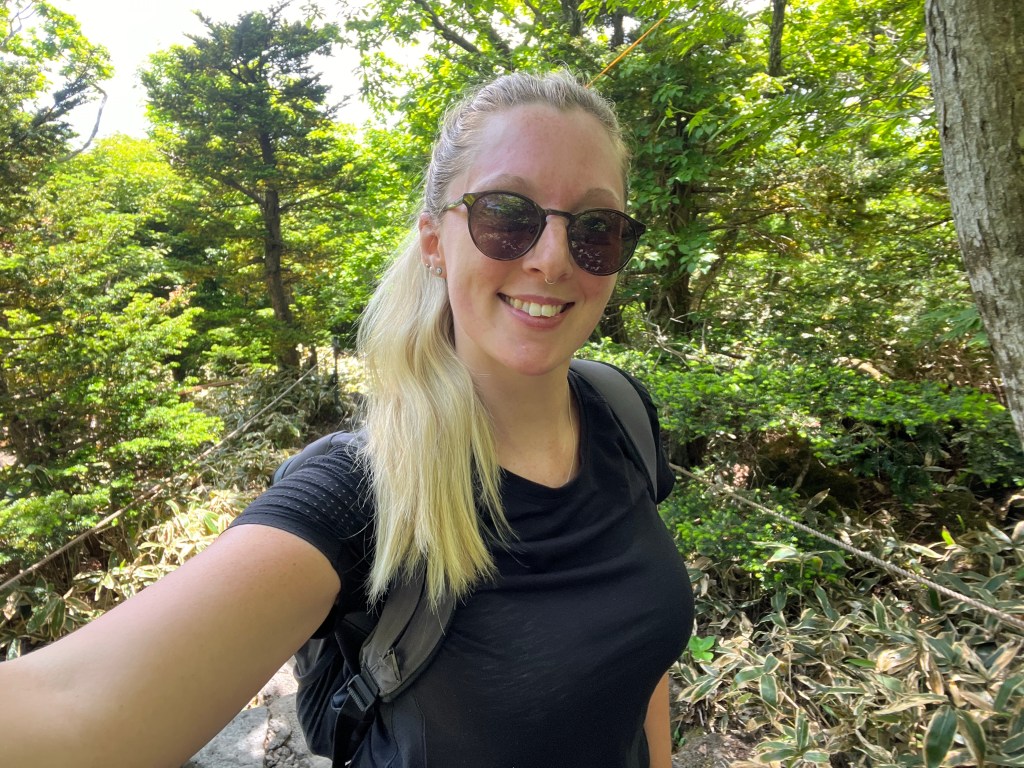
It is free to climb, but we needed to book a time slot online the day before to get a permit. On the day, we got the bus from Seogwipo city where we were staying up to the entrance of the trail, which took about 1 hour. Then the hike began!
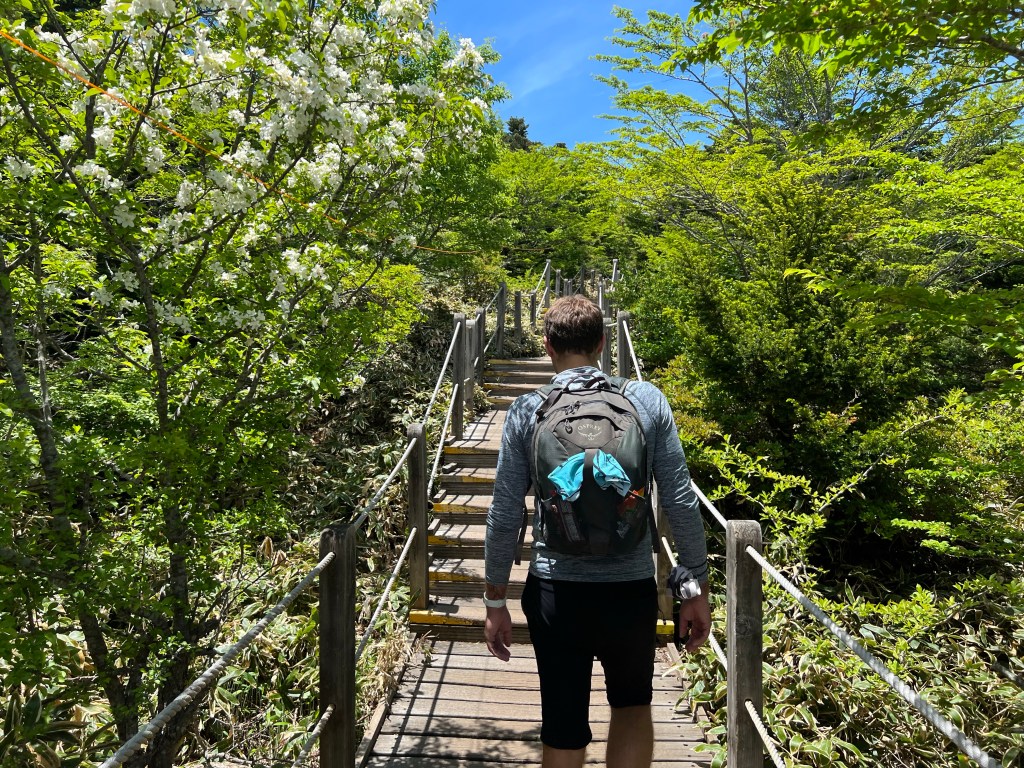
The trail was a nice mixture of stairs and rocky lava stone pathways.

The sun was shining, and the nature and views were absolutely beautiful along the way.
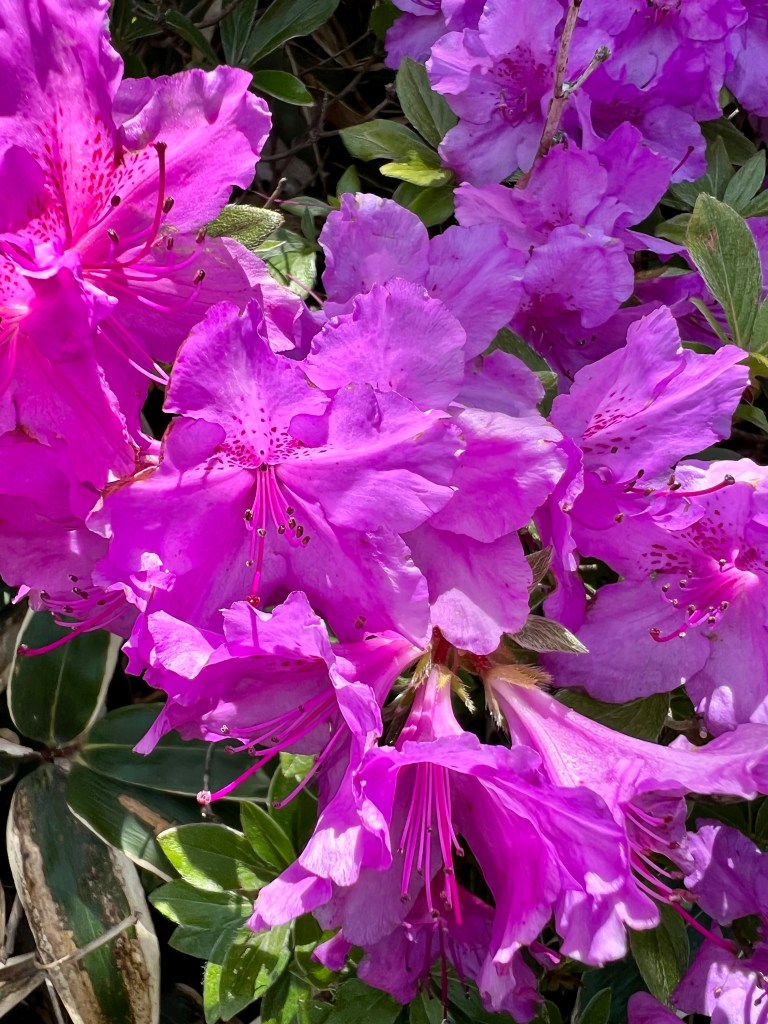

You are on a bit of a time pressure, as there is also a check point which you must reach by midday or you’re not allowed to go to the summit. Luckily we were doing fine for time though and were let through.

We made the summit in good time and were greeted with many tourists eating their picnics (mostly of instant noodles) and taking many, many photos (Koreans love to take photos!). At the top, you can peer into the huge Baengnokdam crater. Sometimes it’s full of glistening water, but not today sadly… Just a muddy puddle!

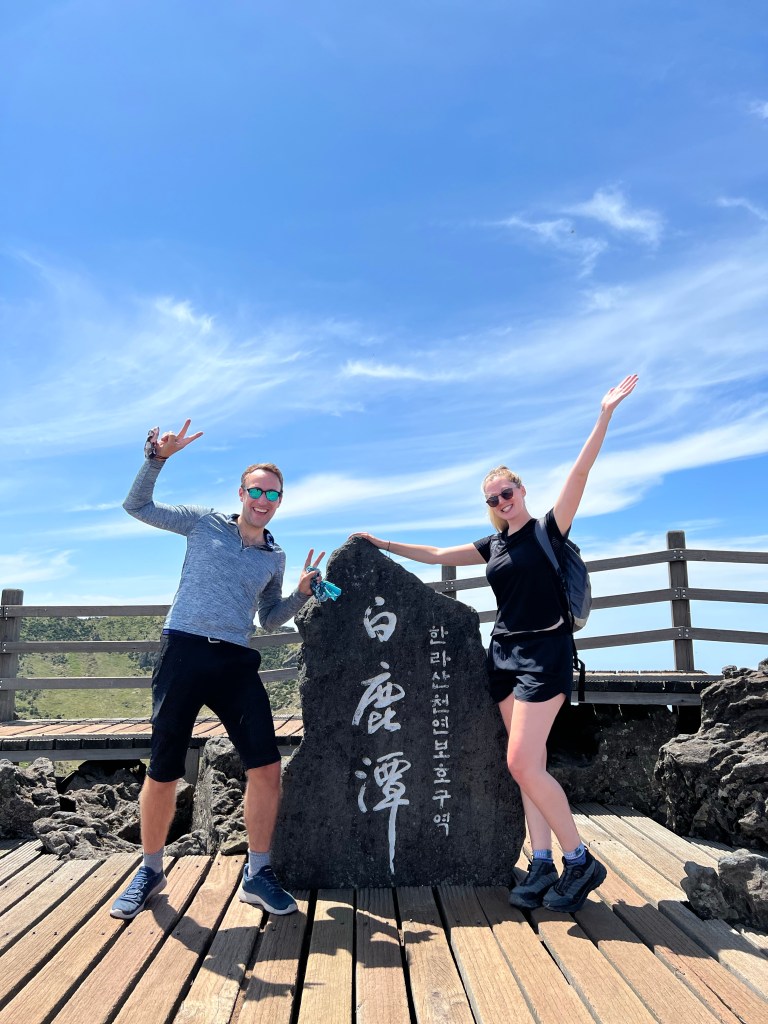
It took us around 7 hours in total to climb up to the summit and then back down, including rest breaks. This was my favourite activity we did on Jeju, well worth the challenge and blisters. It was a fantastic hike and definitely recommended. Just remember to take snacks and plenty of water!
Coastal Path
Another day we hired e-bikes and cycled along the pretty cycle coastal path. Neither of us had tried e-bikes before, but they were really fun and made cycling over a huge distance very easy.
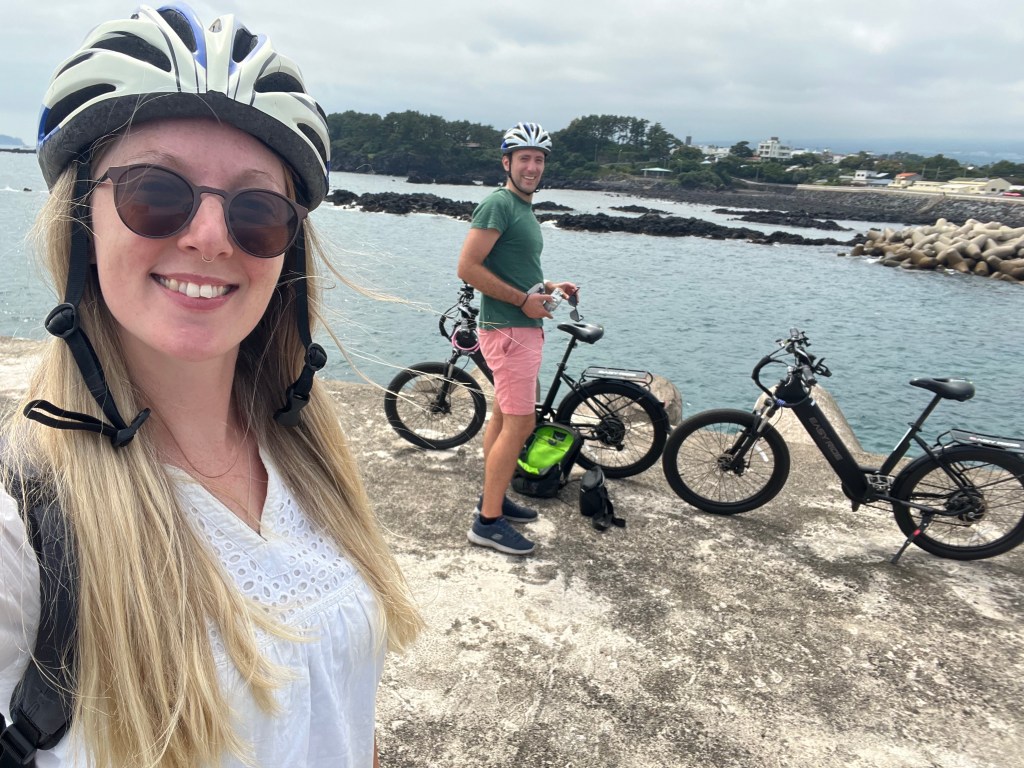
At the very start of our bike ride, Leon accidentally left his (expensive) minirig speaker on top of a fence post next to one of the footpaths. At the end of the day, and by the time he realised he didn’t have it, we passed it on our way back to the hostel. Luckily it was still there and nobody had taken it! Korea is a super safe country; crime and theft is pretty non-existent. We’ve seen multiple phones and purses left unattended on tables in cafés before, when people either go out to smoke or go to the toilet.

During our bike ride, we cycled past a group of haenyeo. The haenyeo are a community of hardy women (some aged in their 80s), who go free diving 10m under the sea to gather seaweed and shellfish, such as abalone or clam.
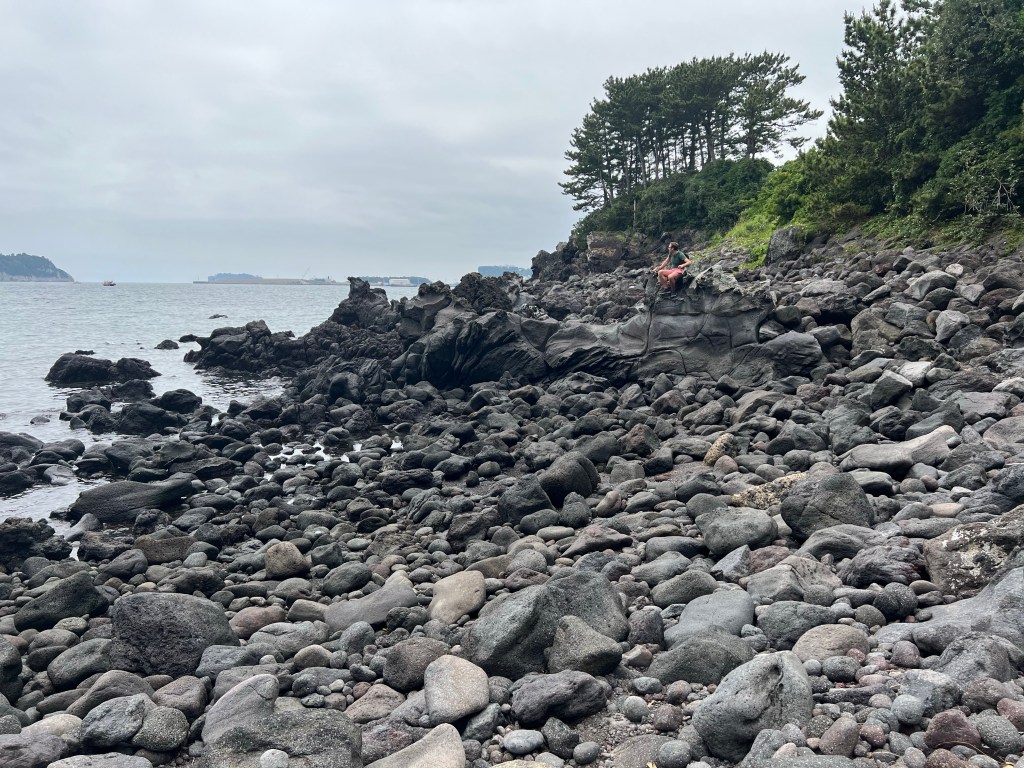
They are well known for their independent spirit, strong will and determination. The haenyeo are representative of the semi-matriarchal family structure of Jeju. Every afternoon they put on a diving show, where they show off their traditional folk songs and incredible free diving skills. They can hold their breath for over 3 minutes. Very impressive!
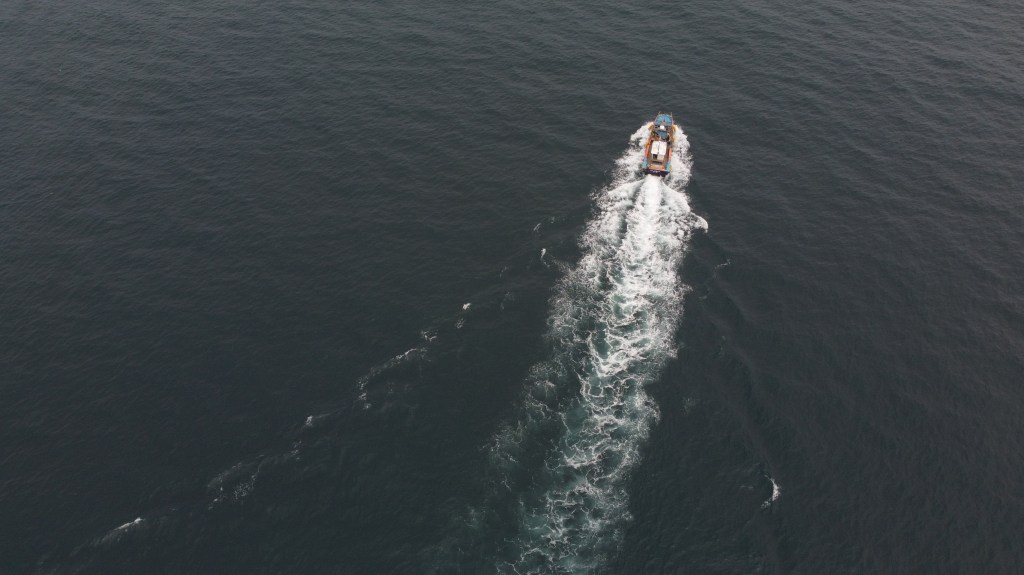
We got some lovely drone footage of some divers going out to sea in their boat.
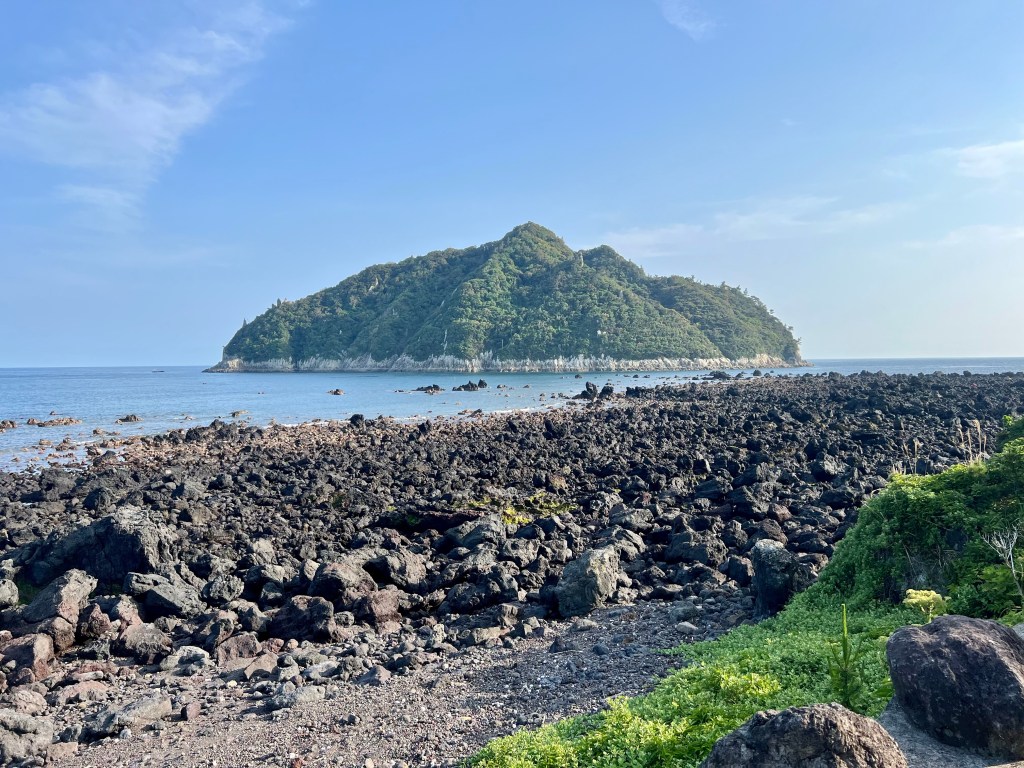
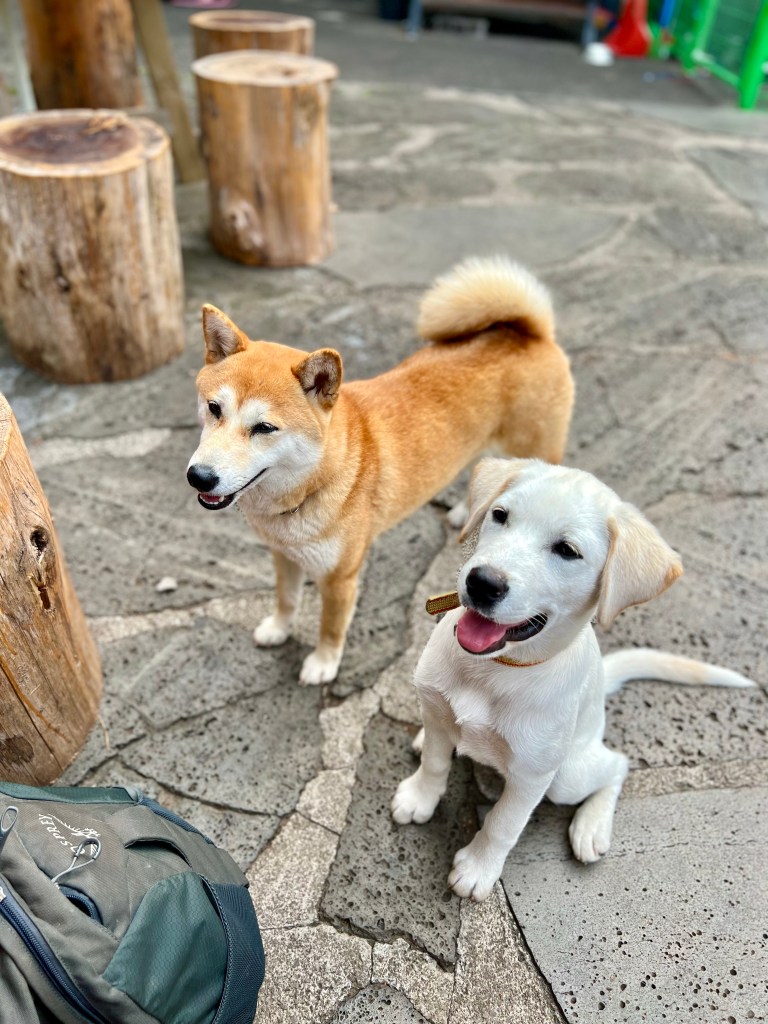
We stopped half way for a lunch break at a gorgeous pub with 7 dogs; though I think they were more interested in our food than us sadly.
Jeju Black Pork
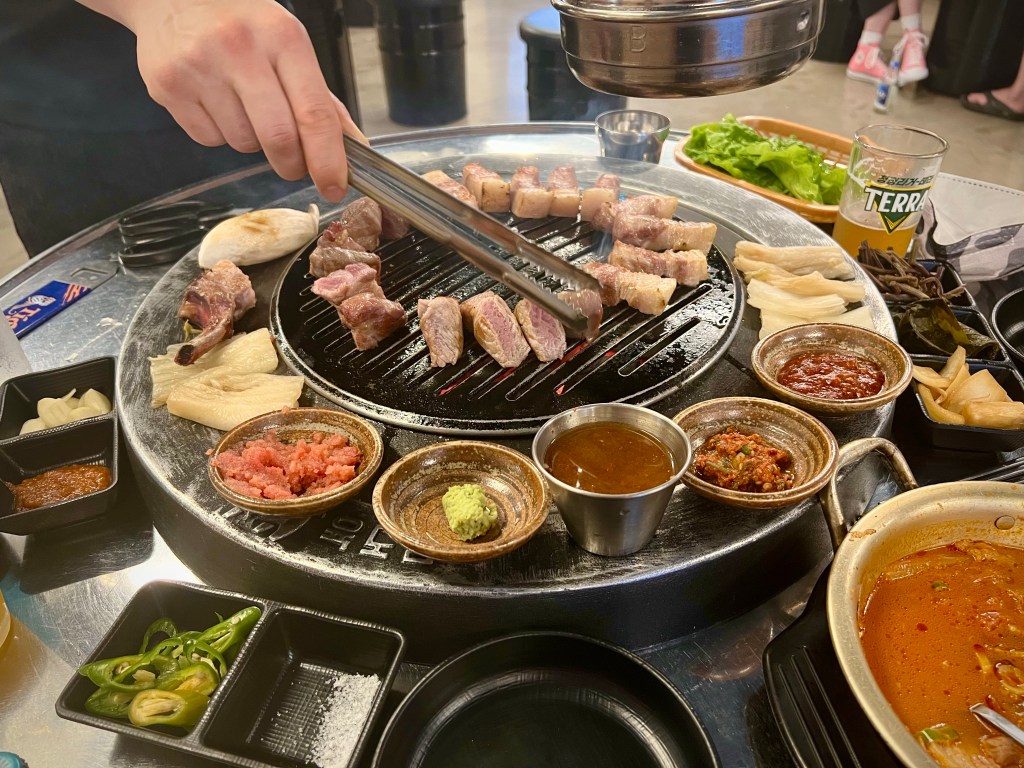
Vegetarians look away now. The Jeju Black is a Korean breed of pig. Jeju is famous for this unique tasting black pork. Known as the “wagyu” of the pork world, as it’s extra juicy and more meaty. It is a much-try dish for foodies when visiting Jeju; we ate it every single night we were there. The Korean BBQ place pictured below was especially incredible, and the staff even cooked it for us.
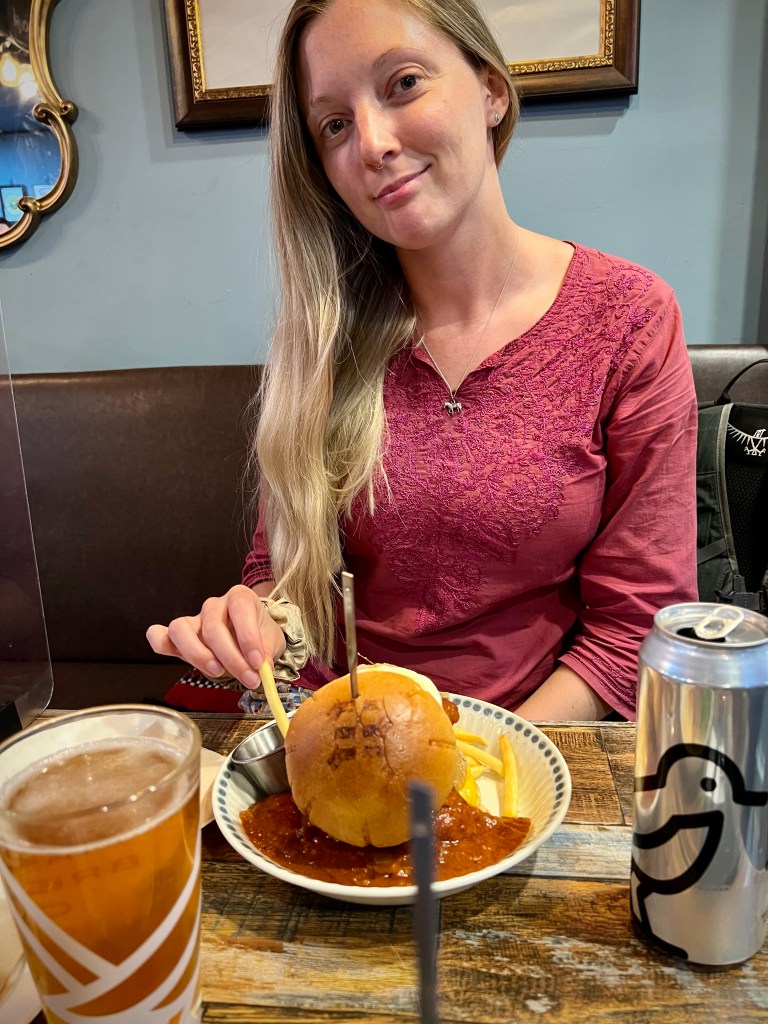
Okay so it’s not entirely Korean, but we couldn’t resist these black pork burgers at an American style restaurant, washed down with some locally brewed Jeju IPA. Yum!
 Leon and Amy’s Big Adventures